Planning a home improvement project can feel overwhelming, but it doesn’t have to be. The key to avoiding stress is breaking the project down into clear, manageable steps and setting realistic expectations from the start.
Successful planning involves careful budgeting, organizing timelines, and identifying priorities. With a solid plan, unforeseen issues are easier to handle, and progress stays on track.
Understanding what you want and gathering the right information before starting helps maintain control throughout the process. This approach minimizes surprises and keeps the project moving smoothly.
Setting Stress-Free Project Foundations
A successful home renovation depends on clear vision, realistic priorities, and a well-planned budget. Establishing these foundations early reduces stress and keeps the project on track.
Clarify Your Vision and Goals
Defining the purpose of the home remodel prevents confusion during the renovation project. Whether updating a kitchen or adding space, the goals should be specific and measurable. For example, increasing storage or improving energy efficiency can be clear objectives.
Visual aids like sketches or Pinterest boards help communicate ideas effectively. This clarity guides decision-making and contractor discussions. Failing to specify the vision leads to costly changes and added stress.
Prioritize Must-Haves Versus Nice-to-Haves
Separating essential features from optional upgrades simplifies choices. Must-haves could include safety improvements or fixing structural issues. Nice-to-haves might be cosmetic touches or high-end finishes.
Creating two lists also helps during budget adjustments. If costs rise, non-critical items can be postponed without halting the entire renovation. This approach reduces last-minute stress and keeps the project focused.
| Must-Haves | Nice-to-Haves |
| Structural repairs | Designer fixtures |
| Functional kitchen layout | Premium countertop |
| Adequate lighting | Decorative accents |
Define Your Budget and Build in Flexibility
Setting a realistic budget prevents overspending and financial stress. Include all costs like materials, labor, permits, and unexpected expenses. Adding a contingency of 10-20% accounts for unforeseen issues common in home renovation.
Tracking expenses and revisiting the budget throughout the project helps avoid surprises. Flexibility in budgeting also supports adjusting priorities when needed. A clear financial plan supports smoother progress and reduces anxiety.
Planning and Organizing for a Smooth Home Improvement
Careful preparation can reduce stress and keep a home remodel on track. Identifying essential steps, setting achievable deadlines, and building efficient habits are critical to managing any renovation project successfully.
Create a Step-By-Step Project Plan
He should start by breaking the renovation project into smaller tasks. Listing clear actions, such as demolition, electrical work, painting, and finishing, helps clarify the workflow.
Using a checklist or digital tool ensures no important step is overlooked. Prioritizing tasks in logical order prevents confusion.
Including budget estimates alongside each task allows tracking expenses consistently. This approach limits surprises and maintains financial control throughout the project.
Establish a Realistic Timeline
Setting practical deadlines is vital in avoiding frustration. He should account for the time each specific job realistically takes, based on research or advice from professionals.
Buffer periods between tasks help accommodate unexpected slowdowns without derailing the entire schedule. For example, allot extra days for drying paint or waiting for materials.
Visual tools like Gantt charts or calendars can help illustrate the timeline clearly. Regular timeline reviews ensure ongoing adjustments match progress, keeping expectations aligned with reality.
Anticipate and Prepare for Delays
Delays are common in home remodels. He should identify potential setbacks early, such as supply chain issues or permit approvals, and plan contingencies.
Having backup suppliers or alternative plans for materials limits downtime. Communication with contractors about possible delays promotes transparency and faster problem resolution.
Maintaining flexibility in the schedule and budget accommodates these changes. By expecting disruptions, he reduces stress when they occur and remains focused on project completion.
Develop a Routine for Efficiency
Establishing a consistent routine supports steady progress. He can designate specific hours daily or weekly for work on the renovation project.
Regular check-ins with contractors or team members keep everyone aligned on goals and deadlines. This habit prevents last-minute surprises and promotes accountability.
Organizing tools and materials in a dedicated space reduces lost time and confusion. A well-maintained work environment encourages productivity and minimizes unnecessary frustration.
Choosing and Coordinating the Right Professionals
Selecting the right professionals and coordinating their work carefully is essential for a smooth home improvement project. Clear communication and defined roles minimize delays and misunderstandings.
How to Select Contractors and Specialists
He should start by researching licensed contractors and specialists with experience in the specific work he needs. Checking online reviews and asking for references is crucial to verify quality and reliability.
It is important to get multiple bids to compare costs and scope. Look for detailed estimates that clarify materials, labor, and timelines. Confirm the contractor’s insurance and licenses to protect against liabilities.
Meeting the contractor in person helps assess professionalism and responsiveness. He should trust his judgment about their communication style and willingness to answer questions.
Working with an Interior Designer
An interior designer can help refine the project’s vision and manage aesthetics alongside functionality. He should choose a designer with a portfolio that matches his style preferences and budget.
Clear agreements on design scope, fees, and deliverables prevent confusion. A detailed contract should specify services like material selection, space planning, and project oversight.
Regular check-ins between the designer and contractor keep the project aligned with expectations. The designer’s role often includes purchasing decisions and adjustments without derailing the schedule.
Ensuring Open Communication
Establishing weekly progress meetings with all professionals helps track work and resolve issues quickly. Written communication through emails or project management software creates a clear record.
He should encourage honesty and transparency to avoid surprises. Setting expectations for response times and update frequency keeps everyone accountable.
Using checklists or shared calendars can clarify deadlines and responsibilities. Clear, consistent communication supports collaboration and reduces the chance of costly errors.
Managing Practical Details and Staying Adaptable
Successful home improvement requires careful attention to specific systems and flexibility in plans. Practical issues like plumbing, electrics, and comfort are critical and often dictate the project’s pace and cost.
Addressing Plumbing and Electrics
Plumbing and electrical work should be planned early, with clear communication to licensed professionals. Homeowners must ensure permits are in place and that all changes meet local codes.
Scheduling inspections before closing walls helps prevent costly rework. Upgrading outdated pipes or wiring may save future stress, so it’s wise to integrate these improvements during the project.
A detailed timeline with buffer days accommodates potential delays in material delivery or unexpected repairs. Budgeting separately for plumbing and electrics avoids surprises and maintains control over costs.
Planning for Kitchen Remodels
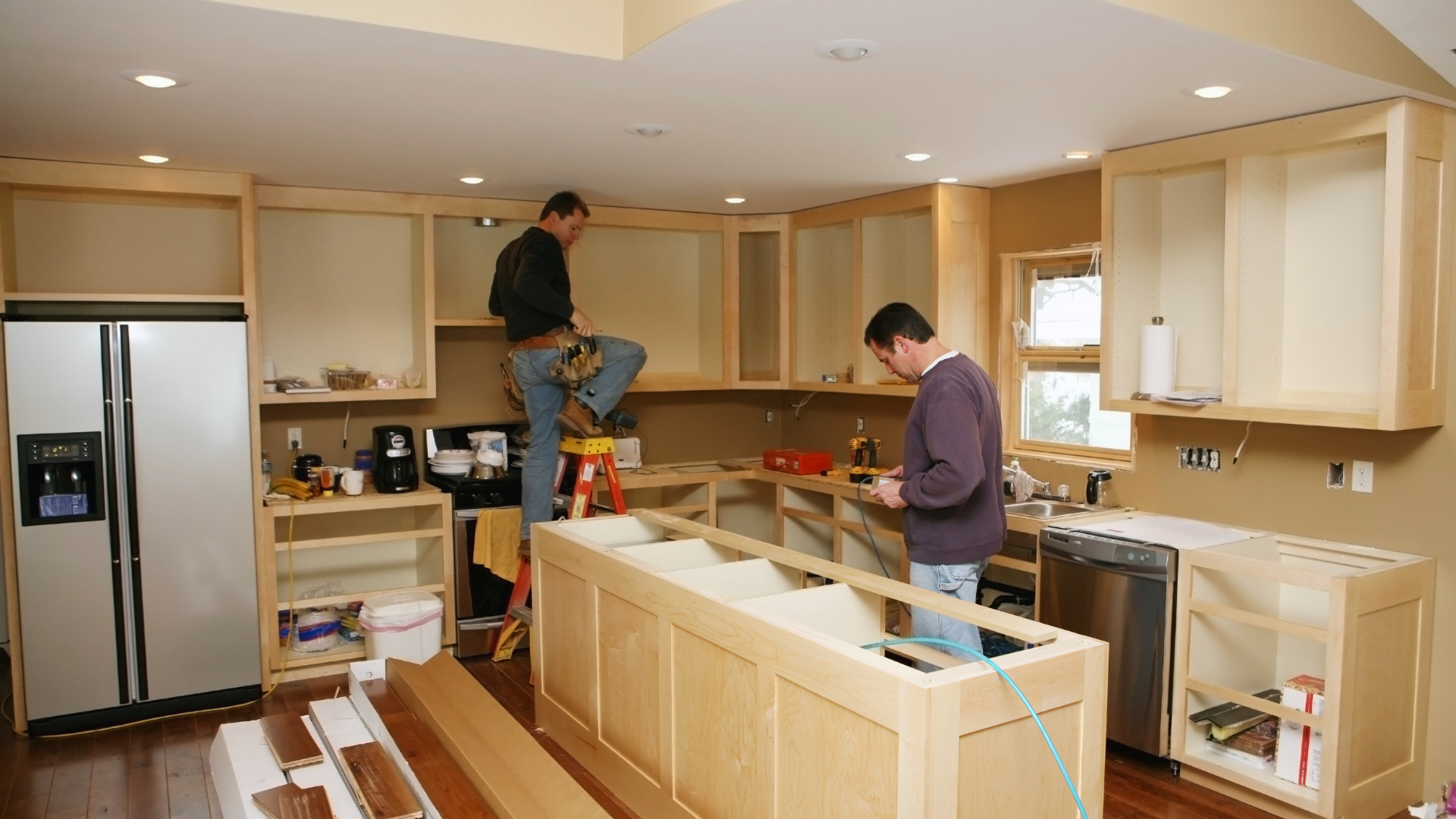
Kitchen remodels involve multiple trades and require coordination between plumbing, electrics, cabinetry, and appliances. Prioritize a layout that improves workflow and accessibility.
Confirm water and electrical outlets match new appliance requirements, especially for gas stoves, dishwashers, and refrigerators. Accurate measurements and early ordering reduce last-minute changes.
Include a contingency fund for hidden repairs, such as damaged subfloors or outdated wiring discovered once work begins. Clear timelines with contractor milestones contribute to reduced stress during remodeling.
Maintaining Comfort and Safety During the Project
Protecting living spaces from dust and noise minimizes disruption. Temporary barriers and regular cleanup maintain air quality and reduce irritation.
Consider alternative cooking or bathing options when kitchen or bathroom access is limited. Portable heaters, fans, and adequate lighting improve comfort in work zones.
Safety measures like securing tools, clear signage, and safe electrical setups prevent accidents. Inform everyone in the household about hazards and scheduled work to avoid unnecessary stress.