Giving old furniture a modern twist is about combining clean lines, updated finishes, and functional design. Painting, reupholstering, or replacing hardware on vintage pieces can instantly refresh their look without losing character.
Using neutral colors, sleeker fabrics, or minimalist accessories helps blend old styles with contemporary trends. This approach allows furniture to fit seamlessly into modern interiors while maintaining its unique appeal.
Simple changes like adding metal accents or sanding down surfaces can dramatically improve the piece’s presence. These techniques are practical and cost-effective ways to update furniture for today’s aesthetic.
Core Strategies to Modernize Old Furniture
Transforming old furniture into a modern piece involves specific, intentional updates. These include selecting contemporary colors, replacing hardware, choosing modern fabrics, and incorporating metallic details. Each tactic alters appearance while preserving the original structure.
Painting With a Modern Color Palette
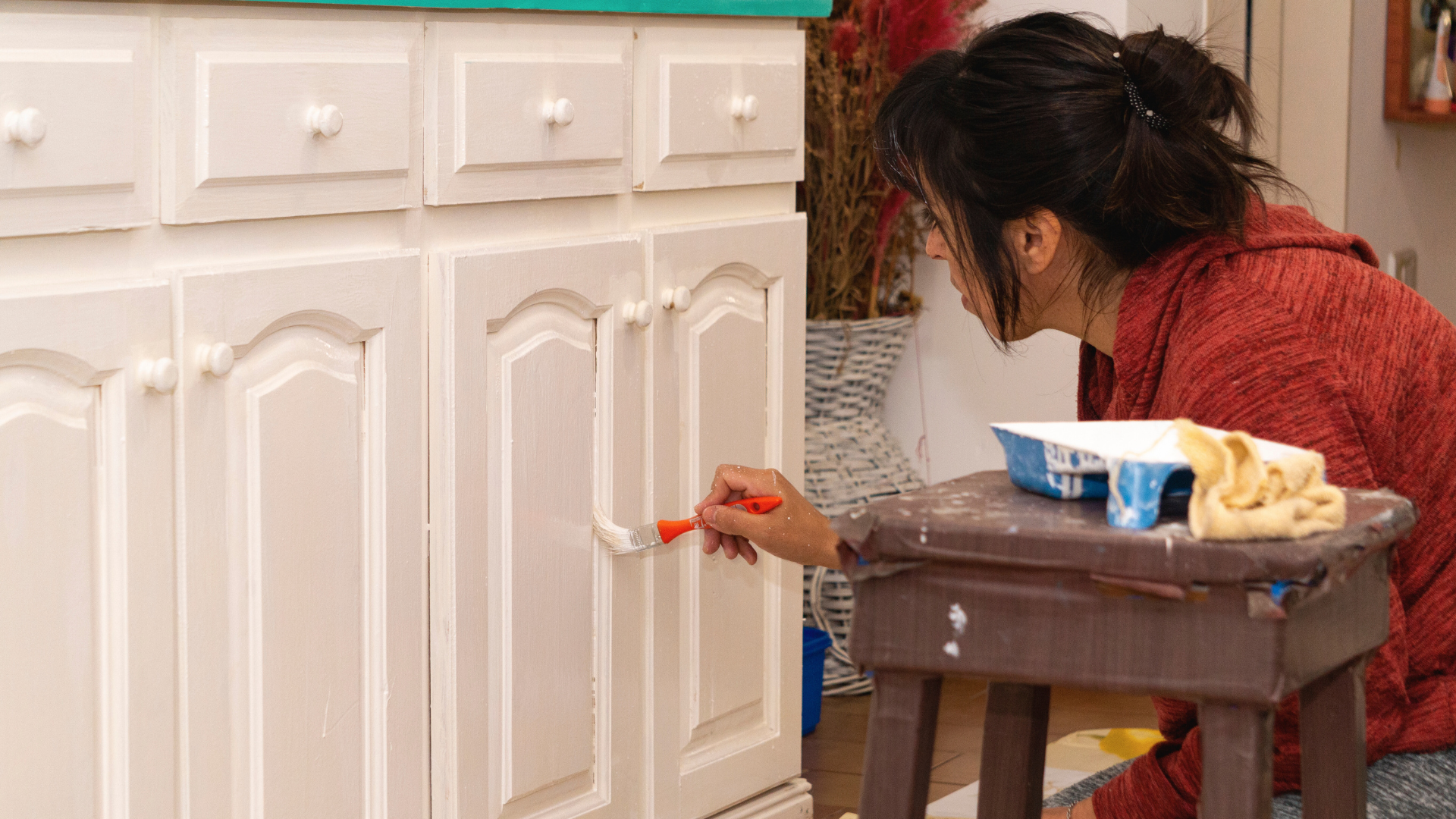
Choosing the right color is essential to modernize old furniture effectively. Popular modern palettes favor muted tones like greys, soft pastels, and clean whites, or bold colors such as navy blue and matte black. These colors create a fresh, minimalist look that contrasts with outdated finishes.
Preparation includes sanding the surface thoroughly to remove gloss and ensure paint adhesion. Applying a primer designed for the furniture’s material is important to prevent peeling. Using high-quality, low-VOC paint enhances durability and maintains a smooth finish.
Matte and satin finishes are preferred over glossy sheens for a subtle, modern effect. Painting details like legs or edges in a contrasting modern color can add visual interest and update the piece without full coverage.
Updating Hardware for a Modern Twist
Replacing old knobs, handles, and pulls is a quick method to modernize furniture. Hardware in brushed nickel, matte black, or brass finishes suits modern aesthetics best. These materials add subtle shine and contemporary flair without overwhelming the design.
The style of hardware matters: clean lines and geometric shapes reinforce modern looks. Avoid overly ornate or intricate designs commonly found on traditional furniture. Slim rectangular pulls or simple round knobs are examples of suitable choices.
Hardware updates can be tiered. For example, replacing legs or adding metal caps also refreshes visual appeal. Ensure the new pieces fit existing holes, or be prepared to drill carefully to preserve the furniture’s integrity.
Reupholstering With Modern Fabrics
Selecting modern fabric changes the character of upholstered furniture instantly. Fabrics such as linen blends, velvet in saturated colors, or synthetic textiles with subtle textures are popular choices for a modern twist. Patterns should be minimal or geometric.
Fabric durability is important, especially for frequently used items. Choose materials with good abrasion resistance and easy maintenance. Crypton or performance fabrics fit this need and align with modern sensibilities for practical luxury.
Removing old fabric and padding must be done carefully to prevent damage to frames. New padding can improve comfort and update the shape. Using staple guns to secure fabric tightly ensures a crisp, tailored look consistent with modern design.
Adding Metallic Accents
Metallic accents on old furniture provide refined visual interest and link to current decorative trends. Elements like brass edging, metal legs, or decorative inlays complement modern finishes and fabrics.
Incorporating metallic trim around tabletops, drawer fronts, or as corner protectors introduces subtle shine. Choose matte or brushed treatments to avoid overly reflective surfaces, which may clash with understated palettes.
Metal legs or feet elevate sofas, tables, and chairs, adding lightness and a contemporary feel. Consider shapes like slender cylinders or tapered cones, which align with modern minimalism.
Small decorative metallic elements—such as nailhead trim or corner brackets—enhance detail without overpowering the furniture. A light hand with metallics preserves balance and keeps focus on the overall modernized look.
Enhancing Structural and Visual Appeal
Altering the base structure and surface details can greatly improve old furniture’s look and feel. Key techniques focus on simplifying shapes, adding striking design elements, and renewing finishes to align with modern tastes.
Modifying Legs and Bases for Clean Lines
Replacing ornate or bulky legs with slimmer, tapered wooden or metal legs creates an immediate modern lift. Furniture feet can be swapped for geometric metal caps or mid-century style splayed legs to introduce clean lines and stability.
Height adjustments also enhance visual appeal by improving proportions and making pieces appear less heavy. For example, raising a cabinet or sofa on thin legs opens space underneath and lightens the room’s ambiance.
Proper sanding and sealing of new or modified legs ensure durability and a neat finish that complements the entire piece.
Incorporating Bold Patterns and Piping
Updating upholstery with bold patterns revitalizes fabric surfaces while keeping the original structure intact. Large-scale geometric or abstract prints in neutral or contrasting colors create visuals appealing to contemporary style.
Adding piping along cushions, arms, or edges sharpens outlines and adds subtle dimension. Contrasting piping color provides a defined border that highlights the furniture shape and emphasizes craftsmanship.
Material choice is critical: durable, fade-resistant fabrics such as twill or heavy linen maintain vibrancy and texture over time while enhancing furniture modernization.
Applying Fresh Varnish or Unique Finishes
Reapplying varnish restores underlying wood tones and protects against wear, bringing aged surfaces back to life. Modern finishes such as matte polyurethanes reduce glare and add a restrained elegance.
Alternative finishing techniques like whitewashing, distressing, or matte metallic paints provide distinctive finishes that suit minimalist or industrial aesthetics. Clear coats with UV protection extend furniture longevity in bright spaces.
Preparation involves sanding off old varnish and cleaning surfaces thoroughly to ensure even application and strong adhesion. Proper finishing solidifies the balance of vintage form with contemporary appeal.
Integrating Vintage & Modern Styles in Home Decor
Balancing vintage furniture with modern elements requires intentional choices in design, texture, and color. Combining these styles effectively prevents visual clash and creates a cohesive, inviting space.
Blending Vintage Furniture With Contemporary Pieces
To blend vintage furniture with contemporary pieces, focus on scale and function. For example, a mid-century modern chair pairs well with a streamlined, modern sofa when both share a similar height and color palette. Avoid overcrowding a room with too many vintage items; instead, insert a statement piece like a retro dresser surrounded by minimalistic decor.
Color consistency is key. Choose vintage items that complement the modern color scheme or repaint older pieces in neutral tones. This approach ties old and new together without overwhelming the senses.
Mixing Materials for Contrast
Mixing materials adds depth to home decor. Combining wood from vintage furniture with sleek metals or glass from modern designs enhances the textural appeal of a room. For instance, an old wooden coffee table looks contemporary when paired with chrome or brass accents.
Use contrasting materials deliberately. Matching rough, distressed surfaces with polished, smooth finishes creates visual interest and highlights both styles without competing. Materials like velvet upholstery on vintage chairs add softness that balances metal or plastic seating.
Personalizing With Throw Pillows and Accessories
Throw pillows are an easy way to modernize old furniture. Using pillows in bold patterns or solid colors can update a vintage sofa or armchair instantly. Opt for geometric prints or monochrome tones to bridge vintage and modern themes.
Accessories like modern lamps, minimalist art, or contemporary rugs also enhance integration. These small touches inject freshness and allow vintage furniture to become focal points instead of dated leftovers. Choosing items with clean lines and subtle details maintains balance.
Sustainable Practices and Final Tips
Modernizing old furniture can extend its life and reduce environmental waste. Using thoughtful restoration and maintenance ensures vintage furniture remains functional and stylish for years.
Upcycling and Refurbishing for Longevity
Upcycling transforms outdated pieces by enhancing their appearance and utility. It often involves repainting with eco-friendly paints or replacing hardware with modern, durable alternatives. Refinishing wooden surfaces to remove scratches and stains revitalizes vintage furniture while preserving character.
Refurbishing includes structural repairs, like tightening joints or reinforcing legs, to improve stability. Choosing sustainable materials, like low-VOC finishes or recycled fabrics, supports environmental responsibility. This process focuses on extending usability rather than replacement, which reduces the carbon footprint.
Caring for Modernized Pieces
Consistent care preserves the effects of furniture modernization. Regular dusting prevents buildup that can damage finishes. Using gentle, non-abrasive cleaners tailored to the materials maintains surface integrity.
Protecting surfaces from excessive sunlight and moisture prevents warping and fading, common in older woods and fabrics. For painted pieces, touch-ups help avoid chipping. Proper storage or placement in moderate environments reduces wear and prolongs the life of refurbished vintage furniture.