How to Build a Comprehensive Preventive Maintenance Strategy for Residential Pools
Many pool owners view maintenance as a chemical issue. If the water becomes cloudy, they add more chlorine. If algae begins to grow, they use more algaecide. However, a pool consists of four systems that must function together: water chemistry, circulation, filtration, and physical surface maintenance. If one of these systems becomes unbalanced, the others will begin to make up for it in a way that will eventually lead to their failure as well. A true preventive maintenance program will not treat the symptoms but will manage the systems that create them.
Why chemicals alone never fix a pool
Pool issues are like a dosing puzzle. If there’s not enough chlorine, you add more chlorine. Algae comes back, so you throw in more algaecide. It’s a short-term solution but long-term failure, because the most recurring pool problems are not due to a lack of sanitizer. It’s dead spots in circulation, a dirty filter, unbalanced pH, or phosphates that fuel algae growth more readily than chlorine can curb it.
The other thing about these four subsystems is that they’re all interdependent. Specifically, the higher your pH the less effective your chlorine is at killing bacteria – and algae, for that matter. Do you see how unbalanced pH conveniently ties in to subsection four, where you’re using more and more chlorine to battle algae growth that keeps coming back because you have phosphate and dead zones? Poor circulation ensures that anything you do add can’t reach part of the pool, so you try to compensate for those dead areas by adding even more of everything, which ensures your filter gets dirty even quicker. A nasty, clogged filter will pass the dirt and very fine debris right through it as if it weren’t there, making all the other problems worse.
Knowing when to call in a professional
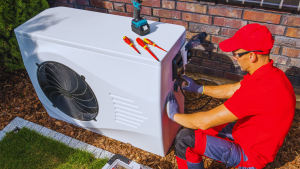
Some jobs just make more sense to outsource than to make a go of it solo. Chemical crashes in which pH, alkalinity, and sanitizer have all crept at the same time can be nearly impossible to remedy without overcorrecting. Deep filter cleans, heater fixes, and full equipment diagnostics almost always need a specialist who sees and adjusts this equipment every day. Homeowners who lack the time, the tools, or the comfort to stay on top of deep cleaning and equipment upkeep are generally better served booking pool cleaning perth than waiting for small problems to consolidate into a full chemical rebalance or an equipment failure that costs far more to fix.
A pool that gets professional attention on the tougher jobs, combined with a decent owner-run weekly plan, outdoes a pool where the owner tries to do it all and falls behind on the parts that actually matter.
Water chemistry: get the foundation right before touching sanitizer
Test your water at least twice a week, and daily during peak summer when heat and swimmer load push chemistry around fast. Before you even look at chlorine, check pH and total alkalinity. Target pH sits between 7.4 and 7.6, and total alkalinity between 80 and 120 ppm. These two act as a buffer system – alkalinity keeps pH from swinging wildly with every chemical addition, temperature change, or rain event. Adjust pH and alkalinity first, always. Adding chlorine to a pool with unstable pH is like pouring fuel into an engine that isn’t firing.
Once chemistry is stable, aim for free chlorine between 1 and 3 ppm for outdoor pools. Cyanuric acid (CYA) is the piece most owners get wrong. It shields chlorine from UV breakdown, which sounds purely beneficial, but too much CYA actually suppresses how effectively that chlorine works. Keep CYA in the 30-50 ppm range, and only push toward the higher end in genuinely extreme-sun climates. In high-UV regions – and Australian summers qualify – CYA management deserves more attention than it usually gets, because without enough stabilizer, chlorine burns off within hours of direct sun exposure. Too much, and you’re maintaining a sanitizer that’s technically present but barely functional.
Circulation: the system most owners ignore
Circulation doesn’t get the attention chemistry does, but it’s often the actual root cause behind algae and cloudy water. The rule of thumb is one full turnover of the pool’s total water volume per day during peak season, which usually means running the pump 8 to 12 hours daily. Run it during daylight hours when photosynthesis and UV exposure are actively working against your sanitizer – matching pump operation to chlorine demand keeps circulation and chemistry aligned instead of fighting each other.
Dead zones are where problems start. Corners, steps, and areas behind ladders or fittings often get less flow, and that’s exactly where you’ll see the first signs of algae, even when your overall chlorine reading looks fine. If you’re seeing localized green or slimy patches while the rest of the pool tests clean, that’s a circulation problem, not a sanitizer problem.
This is also where equipment efficiency becomes a real financial consideration. A residential pool pump is frequently the second-largest energy consumer in an entire household, and switching from a single-speed to a variable-speed pump can cut pump energy use by 30 to 90 percent. If your pump is still single-speed and running full-blast for 10 hours a day, upgrading isn’t just an efficiency talking point – it’s one of the highest-return changes you can make to a preventive maintenance plan, both for your power bill and for giving you more flexibility to run longer, gentler cycles without a matching energy cost.
Filtration: cleaner than you think it needs to be
Filters catch everything that is carried in the flow of water that circulates through them. A dirty or clogged-up filter will compromise every other component of your system. Sand filters must be backwashed regularly, cartridge filters need to be removed and hosed off, and DE filters must be backwashed and recharged every few weeks. The specifics differ between these three filter types, but the overarching principle of filter maintenance stays the same: keep an eye on your pressure gauge and clean or backwash the system whenever it rises 8-10 psi above that "clean" reading.
Skimmer baskets should be emptied at least once a week, more often if you have heavy leaf fall, and likewise with the pump strainer basket. It seems so simple, but a full skimmer basket is the place where debris gets a free ride directly back into the flow of water, past the pump and into your filter. A filter that’s in good shape does more to give you crystal clear water than anything else you can do.
Physical surface care: the maintenance step people skip
Brushing is often underestimated because it requires physical effort and may seem less important than adding chemicals. Nevertheless, regardless of the type of surface your pool has (plaster, fiberglass, vinyl, or tile), biofilm and algae begin to grow even in the tiniest spaces that your circulation system can’t reach. These invisible threats consume chlorine as they grow, before they become large enough to be kept in the water and killed by chlorine. Vacuuming keeps these surfaces clean of sediment, but brushing is the only way to ensure that biofilm and algae don’t find the time and seclusion they need to thrive.
In addition to this, the type of surface your pool has should also affect how often you brush it and how much you depend on a robot. Plaster pools can handle more aggressive and frequent brushing, while fiberglass can handle more aggressive brushing but doesn’t need it as often. Vinyl liners can’t handle any aggressive brushing and shouldn’t be brushed even with a nylon brush as often as plaster or fiberglass. Tile pools need brushing the second most often (right behind a plaster pool) for the same reasons that they look dirtier but have cleaner water.
Shocking and the algae problem that keeps coming back
Shock your pool weekly in summer, after a heavy rain, or when hosting a pool party or during a heatwave that stretches for several days and spikes the organic load. Shocking oxidizes the combined chlorine and organic waste that routine chlorination doesn’t have time to burn up. This is why a pool can test perfectly fine for free chlorine but still have a strong smell of chlorine byproducts and be irritating swimmers’ eyes.
If you keep having algae even though you’ve been regular with the shocking, stop raising your chlorine dose and test for phosphates instead. Phosphates come from fertilizer runoff, decaying organic matter, and some tap water sources, and they feed algae directly regardless of how much sanitizer is in the water. A phosphate problem requires a phosphate remover, not more chlorine. This is one of the clearest examples of the fact that chemical volume is not the solution to every pool problem – sometimes, the ‘contaminant’ is something you have to filter out, not burn.
Monthly equipment checks and seasonal transitions
Once a month, physically inspect your pump, seals, o-rings, heater, and electrical connections. Look for leaks around pump fittings, check pressure gauge readings against your baseline, and listen for unusual pump noise. These checks catch small failures – a worn seal, a slow leak – while they’re still cheap fixes, rather than after they’ve taken out a motor or heater.
Seasonal transitions need their own checklist separate from weekly routine. Cold-climate winterizing means lowering water level, draining lines, and adding winterizing chemicals before freeze risk sets in. Warm-climate and year-round pools, common across much of Australia, don’t get a true "closing" season, but they do need a shift in routine as UV intensity and swimmer load change – typically higher-end CYA management and more frequent debris removal during windy or high-pollen periods.
The routine that actually holds up
Preventative maintenance is effective when it’s consistent and not reactive. Test your water regularly, and balance pH and alkalinity before adding any sanitizer. Run your pump long enough for a complete turnover of water each day. Clean your filter as recommended. Brush your pool each week. Shock the pool when normal levels of chlorine can’t kill the algae or bacteria. And check your equipment monthly. None of these tasks is overly challenging or time-consuming in and of itself. What damages pools over time is the compounding effect of letting one thing slide until, as a result, you need to dump in chemicals that never address the actual problem.
Consistent maintenance always wins over chemical corrections. A pool that is kept up will have fewer issues with algae and bacteria, require less shock, and cause you to need fewer emergency chemicals.