A growing art collection requires thoughtful display strategies to both showcase pieces effectively and maintain a cohesive aesthetic. The best ways often involve balancing wall space, lighting, and arrangement styles that highlight each artwork without overwhelming the viewer.
Using modular shelving, rotating displays, and curated wall groupings helps manage space while keeping the collection fresh and engaging. These methods also allow collectors to adapt their displays as new pieces are added.
Display choices depend on the type and size of art, the room’s purpose, and how often the collector wants to change the setup. A well-planned display turns a collection into a dynamic visual experience rather than just storage.
Fundamental Principles for Displaying a Growing Art Collection
Managing an expanding art collection requires attention to balance, placement, and style. Proper display enhances the impact of each piece while maintaining harmony across the collection.
Achieving Visual Balance and Cohesion
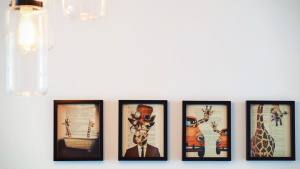
Visual balance prevents any part of the display from feeling cluttered or sparse. Grouping artwork by size or theme often creates unity. Mixing large and small framed art in a thoughtful arrangement avoids overcrowding wall space.
Spacing plays a key role. Leave consistent gaps between pieces—approximately 2 to 4 inches—to allow each artwork to stand out. Using a unifying element, like similar frames or color palettes, ties diverse artwork together.
Symmetry or an intentionally asymmetrical layout can help achieve balance. Heavier, darker pieces placed lower or nearer center points balance lighter works. Regularly reassessing the arrangement ensures cohesion as new pieces enter the collection.
Optimizing Eye-Level Placement
Eye-level positioning is the cornerstone for effective display art. Ideally, the center of framed art should align around 57 to 60 inches from the floor, which matches average human eye height.
For larger groupings, treat the grouping as one piece. Find its collective center and place that at eye level. Adjust individual artworks within the grouping so none appear awkwardly high or low.
Consider the typical viewing distance and sightlines in the room. Lower artwork may better suit seating areas, while higher placement works above furniture like sofas or consoles. Accurate measuring tools and mock-ups improve precision during hanging.
Matching Display Styles to Your Space
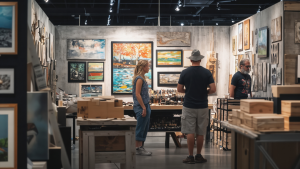
Display style should complement the room’s architecture and scale. Minimalist rooms benefit from clean, spaced displays focusing on statement pieces. In contrast, eclectic spaces can handle denser, salon-style walls filled with varied art.
Wall space dictates style feasibility. Large blank walls allow bigger or grouped artwork, while smaller walls require fewer but impactful pieces. For narrow spaces, vertical arrangements or stacked frames conserve space without crowding.
Lighting also influences style choices. Natural or focused gallery lighting highlights textures and colors. Frames and artwork finishes can be selected to reduce glare and optimize visual clarity within given lighting conditions.
Strategic Art Display Methods and Arrangements
Displaying a growing art collection requires a balance between maximizing space and maintaining aesthetic appeal. It involves structured placement, practical support fixtures, and mindful curation to keep the collection dynamic and engaging.
Gallery Walls for Large Collections
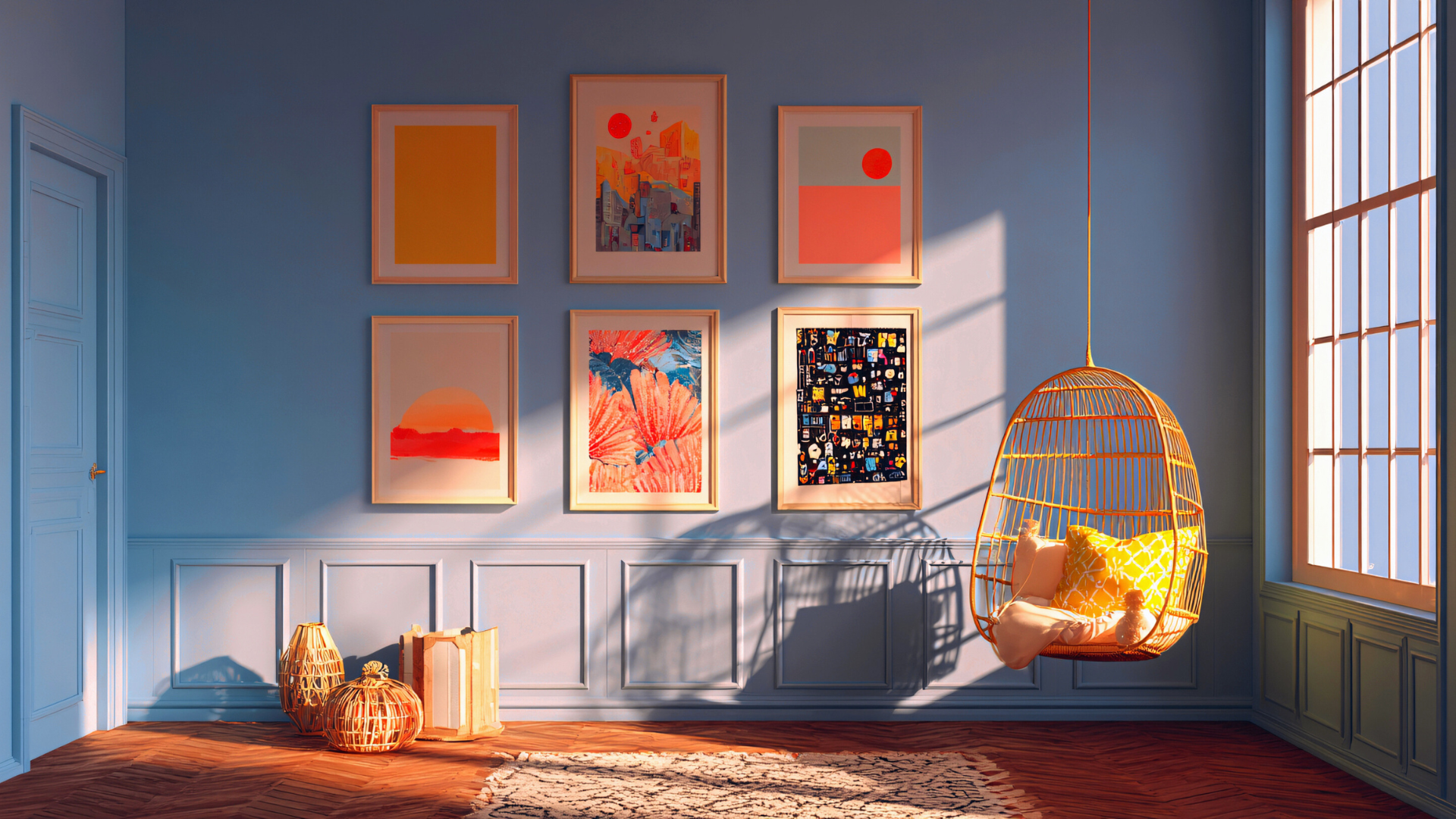
Gallery walls provide a cohesive way to exhibit numerous artworks in a concentrated area. They function best when arranged with a consistent margin between frames, ideally 2-4 inches, to create visual harmony.
Using a unifying element, such as matching frames or a shared color palette, ties the pieces together. Layout options include grids for uniformity or salon-style arrangements for a more eclectic look.
The wall should be anchored at eye level, approximately 57-60 inches from the floor to the center of the artwork. This ensures accessibility and comfort when viewing multiple pieces. Proper planning of the gallery wall avoids clutter and highlights each artwork’s importance.
Picture Ledges and Floating Shelves
Picture ledges and floating shelves offer flexible display options that accommodate frequent changes. Unlike fixed frames on walls, ledges allow artworks to lean, overlap, or layer, providing depth and varying heights.
These shelves can hold multiple paintings, prints, or sculptures, reducing the need for additional wall holes. Installing them at staggered heights creates visual interest without overcrowding.
They are ideal for smaller or medium-sized collections that benefit from rotation. It also encourages physical interaction with the artwork, making the display adaptable as the collection grows.
Sequencing and Rotating Your Artworks
Sequencing artworks by theme, color, or style helps guests navigate the collection logically. Grouping similar pieces together highlights shared traits and creates a narrative throughout the display.
Frequent rotation keeps the collection fresh and protects pieces from prolonged exposure to light or environmental factors. It also allows an evolving art installation, where curated selections can be highlighted over time.
Rotation schedules can be monthly or seasonal, depending on the collector’s preference. Maintaining records of displayed versus stored works facilitates smooth transitions and preserves the collection’s integrity.
Enhancing Displays with Frames and Lighting
Proper framing and lighting elevate an art collection by highlighting its details and protecting its integrity. Choosing durable materials and appropriate lighting helps maintain both the visual impact and longevity of artwork and photography.
Selecting the Right Frames and Matting
Frames should complement the artwork without overpowering it. Simple frames in neutral colors work well for photography, while more elaborate frames may suit traditional paintings. The frame material—wood, metal, or acrylic—affects both style and durability.
Matting creates space between the artwork and glass, preventing damage and improving presentation. Acid-free mats are essential to avoid yellowing and deterioration over time. Mat colors should either contrast subtly or match wall tones to enhance focus on the art.
Size matters. Frames should fit the artwork precisely to avoid shifting inside. Custom framing guarantees an exact fit but may cost more than standard sizes.
Integrating Track Lighting and Picture Lights
Track lighting offers flexibility, allowing individual lights to be directed at multiple pieces. LED track lights are preferred because they generate less heat and can be adjusted to reduce UV exposure.
Picture lights mount directly above framed art, casting focused illumination. They are ideal for highlighting single pieces in smaller spaces. Choose models with adjustable brightness and color temperature to match the artwork’s mood.
Position lights at a 30-degree angle to minimize shadows and glare. The distance from the art should be enough to evenly distribute light without causing hotspots or damage.
Preventing Glare and Preserving Art Quality
Glare reduces visibility and can distract from the art’s details. Using non-reflective or museum glass in frames minimizes reflections while offering UV protection.
Avoid placing art opposite windows or harsh light sources, which cause fading and glare. Curtains or UV-filtering films on windows help control natural light exposure.
Maintain moderate temperature and humidity near displayed pieces. Excess heat or moisture accelerates deterioration. Proper framing combined with lighting choices preserves the artwork’s visual and physical condition over time.
Creative and Modern Solutions for Expanding Collections
When an art collection grows, finding efficient, attractive ways to display pieces becomes essential. Integrating technology, embracing unconventional spaces, and mixing media types can elevate the overall presentation without overcrowding wall space.
Utilizing Digital Displays for Contemporary Art
Digital displays offer dynamic options for showcasing art without requiring additional physical space. High-resolution screens can cycle through different pieces, allowing collectors to feature large parts of their growing art collection in a single frame.
These displays are ideal for contemporary and digital art, offering customization of brightness, contrast, and layout. They also permit remote updates, so the content can change seasonally or with the collector’s mood.
Integrating digital frames into existing wall space simplifies curation and preserves room for physical installations. It also reduces the need for storage of artwork not currently on display.
Displaying Art in Unexpected Spaces
Using non-traditional spaces maximizes the potential of an expanding collection. Areas like stairwells, ceilings, or narrow corridors often go unused yet can provide distinctive locations to feature art.
This approach encourages creative installations that engage viewers differently, breaking the monotony of standard gallery wall arrangements.
Shelf tops, window sills, and furniture faces can also serve as mini-galleries. Grouping smaller pieces in these spots helps use space without cluttering the main walls.
Incorporating Mixed Media and 3D Elements
Adding mixed media and three-dimensional pieces increases visual interest and varies display formats. Sculptures, installation pieces, or wall-mounted objects can complement traditional framed works and free up wall space by adding depth.
Collectors should plan display zones dedicated to 3D art, ensuring proper lighting and secure mounting options. This strategy diversifies the art collection’s impact across the room.
Using shelves or pedestals helps integrate these elements while maintaining clean, organized presentations that highlight both form and texture effectively.