Supporting local artists through home design is a practical way to enrich living spaces while directly contributing to the creative community. Incorporating locally made art and handmade furnishings into home decor ensures both unique style and financial support for nearby artists.
This approach not only personalizes interiors but also helps sustain the regional art economy. By choosing pieces crafted by local talent, homeowners foster a deeper connection to their environment and promote cultural diversity within their homes.
Why Supporting Local Artists Matters
Supporting local artists influences more than just individual creators; it affects the cultural identity, economic health, and emotional connection within a community. This investment preserves unique traditions, drives local commerce, and fosters meaningful relationships through art.
Enhancing Community and Cultural Heritage
Local artists often reflect the unique history and values of their communities through their work. Their art contributes to preserving cultural heritage by capturing stories and traditions specific to the area.
By incorporating pieces from local artists into home design, individuals bring elements of their community’s identity into everyday life. This practice supports the continuation of cultural expressions that might otherwise diminish.
Artists also help maintain a town’s distinct character, preventing the homogenization that can occur with mass-produced art. Their work encourages community engagement through public art events and exhibitions.
Sustaining Local Creative Economies
Purchasing from local artists directly contributes to the local economy. Money spent stays within the community, supporting studios, galleries, and related small businesses.
This economic support helps sustain creative jobs and opportunities for emerging artists. Local art development creates a ripple effect, encouraging more cultural ventures and entrepreneurial activities.
For homeowners, investing in local art can increase property value by making spaces more unique and reflective of community pride. Supporting local artists ensures the creative economy remains vibrant and accessible.
Personal Connection Through Art
Local artists provide pieces that offer personal significance and a tangible link to the community. Their art often tells stories connected to familiar places or shared experiences.
This connection can make home environments feel more meaningful and rooted in a community’s culture. Unlike mass-produced items, local artwork carries provenance and history that resonate personally.
Choosing local artists allows homeowners to engage directly with creators, fostering relationships and a deeper appreciation. This connection adds value beyond aesthetics by making art a part of one’s lived experience.
Practical Ways to Support Local Artists Through Home Design
Supporting local artists in home design often involves direct engagement with their work and communities. This includes acquiring original pieces, commissioning custom art, and frequenting local venues where artists display and sell their creations.
Purchasing Original Artwork for Home Decor
Buying original art directly from local artisans enriches the home with unique pieces that reflect individual style. When purchasing art, buyers should verify the artist’s background and understand the story behind the artwork. This adds value beyond aesthetics.
Original pieces often have distinct qualities not found in mass-produced decor. Choosing local artwork supports artists financially and encourages the continuation of creative work within the community. Buyers can also inquire about certificates of authenticity or the artist’s contact for provenance.
Commissioning Custom Art from Local Creators
Commissioning art offers personalized home decor that fits specific spaces and themes. Local artists can tailor their work based on the client’s preferences, from size and style to subject matter.
Clients should communicate detailed requirements and timelines to ensure the artwork aligns with their vision. Commissioning also allows the artist to receive fair compensation for their time and skill, strengthening local creative economies.
Shopping at Art Fairs and Local Markets
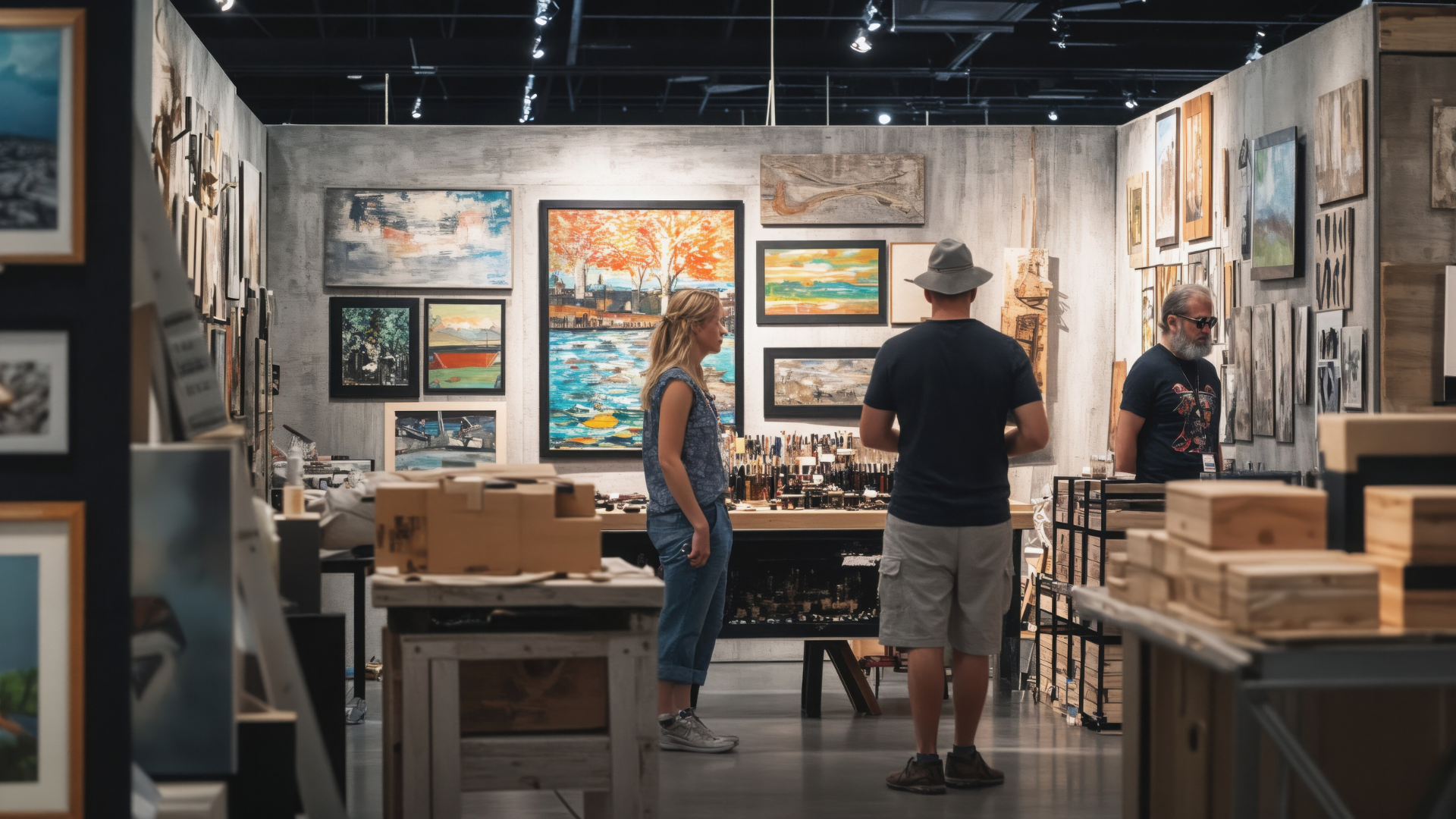
Art fairs and local markets provide a concentrated opportunity to browse and purchase from multiple local artisans at once. These events often feature diverse media, including paintings, sculptures, and textiles.
Attending these events regularly supports the broader network of local artists and introduces buyers to new talent. Shoppers should look for original art, confirm the local production of pieces, and consider price negotiation directly with artists.
Attending Gallery Exhibitions and Open Studios
Gallery exhibitions and open studio events offer a direct view into artists’ work and processes. These venues often highlight current projects and concepts, helping buyers make informed decisions about purchasing art.
Attending regularly fosters relationships between collectors and local artisans. It also helps buyers learn about trends and techniques in the local art scene, offering opportunities to invest early in emerging artists.
Incorporating Local Art into Your Living Spaces
Local art adds unique character and supports the community. It can be thoughtfully integrated into various rooms, enhancing décor while showcasing creativity.
Building a Gallery Wall with Local Wall Art
Creating a gallery wall is an effective way to display multiple pieces of local art. It works best when mixing painting styles, sizes, and frames for visual interest. Artists’ works can be arranged around a focal point, such as a large painting or print, to establish balance.
Using consistent frame colors or mats creates cohesion. Artworks should be hung at eye level for optimal viewing. Including a variety of media—such as watercolor, acrylic, or photography—enriches the experience. Labeling pieces with artist names and titles adds educational value and supports recognition.
Showcasing Sculptures and Three-Dimensional Pieces
Sculptures and 3D art add texture and depth to a living space. Placing these pieces on shelves, pedestals, or consoles draws attention effectively. Position sculptures near natural light sources to highlight their form and materials.
Consider scale when displaying sculptures—large installations suit open areas, while smaller pieces work well on side tables or in niches. Rotating sculptures seasonally keeps the space dynamic. Grouping multiple three-dimensional pieces can create thematic displays centered on local craftsmanship.
Integrating Art into Unexpected Areas of the Home
Local art need not be limited to living rooms or hallways. It can enhance kitchens, bathrooms, and even stairwells. For example, ceramic tile murals or painted panels add vibrant accents in kitchens or bathrooms.
Framed prints or small sculptures in entryways create immediate visual impact. Use functional objects like artful trays or decorative bowls crafted by local artists. Installing art in less expected spots encourages discovery and personal connection to the home environment.
Engaging and Advocating for the Local Arts Community
Supporting local artists requires active participation and communication within the community. This involves spreading awareness, working directly on projects with local artisans, and getting involved in art-focused events. Each approach strengthens ties and creates opportunities for artists to thrive.
Promoting Artists Through Word of Mouth and Social Media
Word of mouth remains a powerful tool for promoting local art. Sharing personal experiences with artists and their work encourages others to explore and appreciate local talent. Recommendations from trusted sources motivate more people to buy and support local creators.
Social media platforms allow for broader exposure. Posting images, tagging artists, and using targeted hashtags help connect local art with interested audiences. Regularly engaging with artist pages boosts visibility. Highlighting stories behind the artwork personalizes the connection and builds community interest.
Collaborating With Local Artisans for Custom Projects
Partnering with local artisans for home design projects brings unique, tailored elements to living spaces. Custom furniture, ceramics, or textile pieces reflect the homeowner’s style and support the local economy simultaneously.
Direct collaboration ensures designs fit specific needs and maintain artistic integrity. It also helps artisans receive fair compensation and recognition. Clear communication about materials, timelines, and budgets is critical to successful partnerships.
Participating in Community Art Events
Attending or volunteering at community art events fosters direct engagement with local artists and their work. Events like gallery openings, art fairs, and workshops offer first-hand opportunities to discover new artists and purchase original pieces.
Involvement can extend to hosting or organizing events, which elevates the local arts scene. These gatherings promote dialogue and provide platforms for artists to gain exposure and build connections with patrons and other community members.