Indoor humidity levels often cause issues like mold growth, discomfort, and damage to belongings if not properly managed. Many people underestimate how controlling humidity can directly impact the health and longevity of their living space.
The best way to prevent common indoor humidity problems is by maintaining consistent moisture levels through proper ventilation, using dehumidifiers, and addressing sources of excessive moisture. Small adjustments in daily habits can make a significant difference in avoiding these problems.
Understanding the causes behind humidity fluctuations helps people take targeted actions that protect their home environment. Clear steps can reduce risks and improve overall comfort efficiently.
Understanding Indoor Humidity and Its Common Issues
Indoor humidity plays a crucial role in maintaining comfort and health. Imbalanced moisture can cause damage to homes and negatively affect indoor air quality.
Ideal Indoor Humidity Levels and Risks of Imbalance
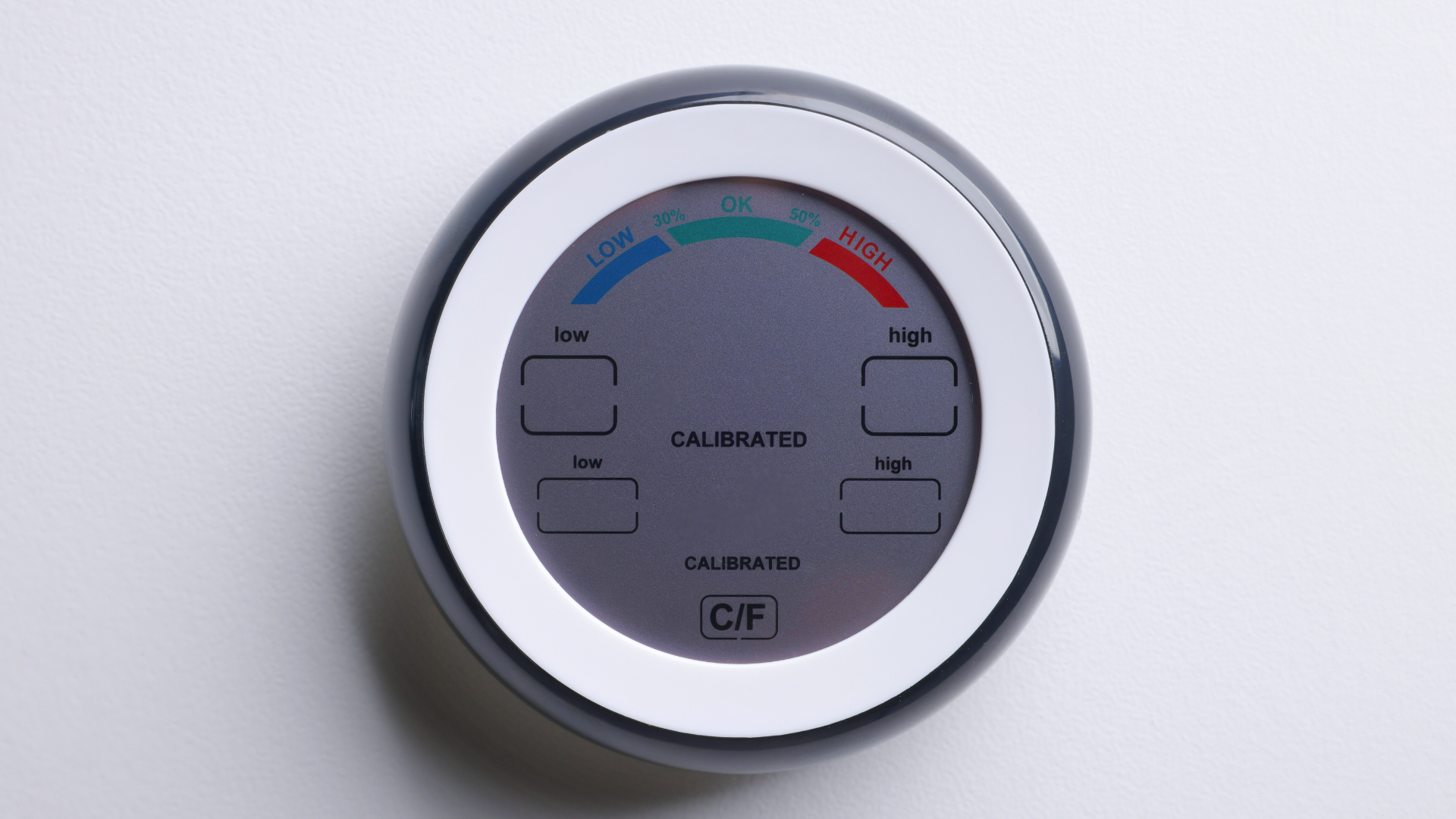
Ideal indoor humidity ranges between 30% and 50% relative humidity. Levels below 30% can dry out skin and respiratory passages, increasing irritation. High humidity above 50% creates an environment favorable to mold and mildew growth, along with dust mites.
Excessive moisture can cause musty odors and condensation on walls and windows. Fluctuating humidity leads to structural problems as wood and other materials expand and contract. Long-term imbalance often results in elevated energy costs due to inefficient heating or cooling.
Causes of High Indoor Humidity
High indoor humidity often results from poor ventilation combined with moisture sources like cooking, showering, and drying clothes indoors. Leaking pipes, wet basements, and inadequate insulation can trap moisture, worsening humidity levels.
Closed windows and a lack of air exchange allow moisture to build up inside, especially during cold seasons. Some areas naturally have higher outdoor humidity, which seeps indoors through cracks or vents. Without proper humidity control devices, excess moisture accumulates quickly.
Impact of Humidity on Health and Building Materials
High indoor humidity supports dust mites and mold populations, both allergens that impair indoor air quality. Mold spores can worsen asthma and other respiratory conditions. Musty odors often signal mold presence and deteriorated air quality.
Building materials like drywall, wood, and wallpaper absorb moisture, leading to decay, warping, and paint peeling. Persistent dampness weakens structural integrity and increases repair costs. Controlling humidity prevents these issues and protects occupants’ health.
Proven Strategies to Prevent Common Indoor Humidity Problems
Effective indoor humidity control depends on accurate measurement, targeted moisture removal, and proper airflow management. Using the right tools and methods ensures consistent humidity levels and prevents issues like mold, condensation, and discomfort.
Measuring and Monitoring Humidity with a Hygrometer
A hygrometer provides precise readings of indoor relative humidity, which should ideally stay between 30% and 50%. Regular monitoring helps identify problem areas before excess moisture causes damage.
Digital hygrometers offer quick, easy-to-read displays and can track humidity trends over time. They are more reliable than analog models for detecting small fluctuations.
Placing hygrometers in different rooms, especially basements, bathrooms, and kitchens, highlights varying humidity levels. This insight directs targeted interventions for specific spaces.
Proper Use and Placement of Dehumidifiers
Dehumidifiers reduce indoor moisture by drawing in air and collecting water in a reservoir or draining it automatically. There are two main types: room dehumidifiers for individual spaces and whole-house dehumidifiers integrated into HVAC systems.
Position dehumidifiers centrally in damp areas with good air circulation. Avoid corners or behind furniture, which restrict airflow and reduce effectiveness.
Regularly empty or drain reservoirs and clean filters to maintain performance. Set the device to maintain 40%–50% humidity for optimal comfort and prevention of mold growth.
Optimizing Ventilation and Exhaust Fans
Proper ventilation removes moist air and lowers indoor humidity. Exhaust fans in bathrooms and kitchens expel steam generated during showers and cooking, preventing localized dampness.
Fans should be vented outdoors, not into attics or crawl spaces, to avoid transferring moisture elsewhere inside the home. Run exhaust fans during and for 15 minutes after activities producing moisture.
Opening windows occasionally promotes air exchange but may not be effective in very humid climates. Combining mechanical ventilation with natural airflow provides the best control.
Utilizing Air Conditioners for Humidity Control
Air conditioners cool indoor air and also reduce humidity by condensing moisture on coils. Central HVAC systems with air conditioning provide whole-house humidity control as part of regular operation.
Ensure air conditioning units are properly sized and maintained for efficient moisture removal. Dirty filters and blocked coils reduce effectiveness and can increase humidity.
Setting thermostats at moderate temperatures avoids excessive run times that cause condensation issues. Supplemental dehumidifiers may be necessary in extremely humid environments to maintain ideal levels.
Eliminating Moisture Sources and Improving Home Efficiency
Reducing indoor humidity starts with controlling moisture entry and retention. Proper sealing, insulation, and airflow management play crucial roles in maintaining balanced humidity while boosting energy efficiency.
Fixing Leaks and Sealing Gaps
Leaks in plumbing, roofs, and walls introduce unwanted moisture that raises indoor humidity levels. Identifying and repairing these leaks quickly prevents water accumulation and mold growth.
Sealing gaps around windows, doors, and utility penetrations stops humid outdoor air from entering the home. Use caulk or spray foam to fill cracks and crevices effectively.
Regular inspections and maintenance are necessary to catch new leaks or gaps. This proactive approach keeps humidity in check and protects the home’s structure.
Insulation and Weatherstripping Best Practices
Proper insulation limits heat exchange that causes condensation on cold surfaces. Areas like attics, basements, and crawl spaces require adequate insulation to stabilize indoor temperatures.
Weatherstripping doors and windows creates airtight seals, reducing drafts that bring moist air inside. Choose durable materials like rubber or silicone for lasting results.
Inspect weatherstripping annually. Replace worn or damaged strips to maintain optimal sealing, which contributes to lower indoor humidity and improved energy efficiency.
Managing Condensation and Airflow
Condensation occurs when warm, moist air meets cooler surfaces like windows or walls. This moisture buildup can lead to mold and damage if not addressed.
Increasing airflow helps reduce condensation by balancing indoor air temperature and humidity. Use exhaust fans in kitchens and bathrooms, and consider whole-house ventilation systems.
Opening windows periodically or using ceiling fans promotes air movement. This dilutes moisture pockets and maintains healthier indoor humidity levels.
Enhancing Energy Efficiency Through Humidity Control
Controlling humidity reduces the workload on heating and cooling systems, leading to energy savings. High humidity makes indoor air feel warmer, causing air conditioners to run longer.
Using dehumidifiers strategically helps maintain targeted humidity levels, especially in damp areas. This supports HVAC efficiency and comfort.
Combine humidity control with energy-efficient practices like sealing, insulation, and ventilation to optimize home performance and lower utility bills.
When to Seek Professional Help for Persistent Humidity Issues
If humidity problems continue despite basic measures, it may indicate underlying issues that require expert assessment. Proper evaluation and customized solutions can protect HVAC systems and improve indoor air quality effectively.
Signs You Need an HVAC Professional
Persistent condensation on windows or walls signals excessive indoor humidity. Visible mold growth, a musty odor, or frequent respiratory irritation also indicate unresolved moisture problems.
Unusual noises or frequent cycling from the HVAC system can point to malfunctioning components affecting humidity control. If DIY fixes don’t resolve these issues, an HVAC professional should inspect the system promptly.
They can test system performance, check for duct leaks, and assess ventilation to identify causes of poor humidity regulation. Timely intervention prevents damage to the home and prolongs the HVAC system’s lifespan.
Upgrading to Advanced Humidity Control Solutions
When traditional methods fail, upgrading the HVAC system with advanced humidity control features may be necessary. Options include whole-home dehumidifiers integrated into the existing HVAC system.
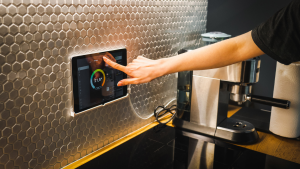
These devices actively remove moisture from the air without affecting temperature settings. Smart humidity sensors and controls provide precise monitoring and automatic adjustment, maintaining optimal indoor humidity levels.
A professional can recommend systems based on the home’s size, climate, and specific humidity challenges. Investing in these solutions improves comfort, protects property, and promotes healthier indoor air quality over time.