Creating a space that reflects one’s identity means choosing elements that resonate personally and authentically. Decorating with meaningful items, colors, and textures that align with values and experiences creates a space truly representative of oneself. This approach makes the environment both functional and emotionally grounding.
They can begin by assessing what matters most—whether it’s hobbies, memories, or cultural influences—and then incorporate those into the design. The goal is to balance aesthetics with personal significance, ensuring the space tells a clear story without clutter or confusion.
Discovering Your Personal Style
Understanding what truly resonates with one’s identity is essential for designing a space that feels authentic. This involves examining individual interests, seeking visual materials to clarify taste, and pinpointing distinct preferences to shape a unique environment.
Reflect on Your Interests and Personality
He or she starts by listing activities, hobbies, and values important in daily life. For example, a person who enjoys nature may lean toward organic materials and earthy colors. Personality traits like introversion or extroversion influence spatial layouts; introverts might prefer cozy nooks, while extroverts embrace open, social areas.
Considering emotional responses to colors and textures helps too. Some might find calm in muted tones, others energized by bright patterns. This introspection guides decisions beyond trends, ensuring the space supports comfort and self-expression.
Gather Inspiration and Visual References
They collect images, fabrics, and objects that attract their attention. Tools like mood boards, Pinterest, or magazines assist in visualizing themes such as bohemian vibes or minimalist charm. This process reveals patterns in aesthetic preferences that might not be obvious initially.
Organizing inspiration by categories—color schemes, furniture styles, artwork—creates clarity. It also helps identify elements to incorporate or avoid. Reviewing these references regularly refines understanding, preventing choices that clash with the envisioned personal style.
Define Your Unique Style Preferences
Once insights and visual cues accumulate, defining the personal style becomes clearer. This involves naming the style or creating a combination, like mixing bohemian vibes with modern lines. The goal is a coherent concept reflecting individuality without forcing trends.
They decide key features such as preferred color palettes, textures, and statement pieces. Identifying a few signature elements—like patterned textiles or handmade décor—ensures the space stands out as uniquely theirs. This clarity aids shopping and decorating decisions, making them purposeful and aligned.
Creating a Personalized Color Palette
A well-chosen color palette reveals personal style while maintaining harmony throughout a space. Selecting colors based on preference, psychological impact, and practical application shapes a room that feels both authentic and visually balanced.
Identify Your Favorite Colors
He or she should start by pinpointing colors that naturally draw their attention or evoke positive feelings. These favorite colors often appear in clothing, accessories, or nature scenes they admire.
To narrow choices, experimenting with color swatches at home is effective. Paying attention to how different shades influence mood helps inform selection. For example, warm tones like reds and oranges create energy, while blues and greens tend to be calming.
Focusing on three to five key colors is advisable. This keeps the palette manageable and simplifies decision-making when decorating. Including both neutral and vivid hues allows for flexibility and layering within the room.
Understand the Psychology of Color
Colors affect emotions and behavior, so understanding this influence guides purposeful decorating. Warm colors such as red, yellow, and orange often stimulate activity and conversation.
Cool colors like blue, green, and purple promote relaxation and focus. Neutral tones—white, gray, and beige—offer calm backdrops that complement more prominent colors without overwhelming.
He or she should match colors to the intended function of the space. For example, a productive home office benefits from cool tones, while a living area might thrive with warmer accent walls that encourage social interaction.
Apply Colors for a Cohesive Look
Consistency is key to a cohesive look within any room. Starting with a primary base color on walls or large furniture pieces establishes uniformity.
Accent walls are a strategic way to introduce a favorite or bold color without overpowering the space. Accessories, textiles, and art should repeat palette colors to tie elements together.
Using a simple table can clarify color roles:
| Color Type | Purpose | Example |
| Base Color | Main surfaces | Soft gray or beige walls |
| Accent Color | Highlight features | Deep blue accent wall |
| Complementary | Details and decor items | Mustard cushions, green plants |
Balancing these colors ensures the room feels intentional and personalized.
Showcasing Your Story Through Decor
Decorating with items that hold personal meaning creates a deeply individualized space. It reflects experiences, heritage, and creativity, offering tangible connections to identity. Thoughtful placement and selection emphasize what matters most.
Display Collections and Travel Souvenirs
A well-curated collection tells a story of interests and adventures. Shelves or shadow boxes can organize items like vintage cameras, rare books, or local crafts. Grouping travel souvenirs by region or theme highlights journeys and cultural experiences.
Use labeled displays to add context, such as dates or short anecdotes about where each item was found. This transforms objects into conversation starters that reveal personal history. Rotating items seasonally keeps the display fresh without overcrowding.
Incorporate Heirlooms and Cultural Artifacts
Heirlooms connect present decor to family history. Displaying pieces such as antique jewelry, traditional textiles, or old photographs preserves memories and honors ancestry. Pairing these with complementary modern items can balance old and new.
Cultural artifacts reflect a person’s background and values. Items like handmade pottery, tribal masks, or embroidered fabrics convey identity across generations. Place these in dedicated areas or mix them into everyday living spaces to keep heritage visible daily.
Personalize With Artwork and DIY Projects
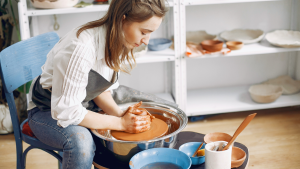
Custom art expresses unique perspectives. Commissioned portraits, self-painted canvases, or graphic prints created by friends add authenticity. DIY projects, such as painted furniture or hand-crafted décor, allow creative control and personal flair.
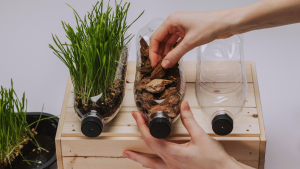
Personalized artwork can include meaningful colors, symbols, or quotes. These choices amplify individual stories and tastes. Integrating DIY pieces also promotes sustainability by repurposing materials, linking creativity with environmental care.
Curate a Gallery Wall With Meaning
A gallery wall can showcase photographs, framed letters, certificates, and prints that define identity. Mixing sizes and formats adds visual interest but should maintain a cohesive theme or color scheme.
Incorporate a variety of elements: family photos, travel snaps, art prints, and inspirational text. Label or arrange items chronologically or by significance to guide viewers through personal milestones. This method keeps memory and meaning central to the design.
Layering Comfort, Texture, and Lighting
Creating a space that truly reflects personal style involves a careful balance of tactile elements and light. Combining different materials, natural touches, statement furniture, and varied lighting enhances a room’s personality while maintaining comfort and function.
Mix Textures and Soft Fabrics
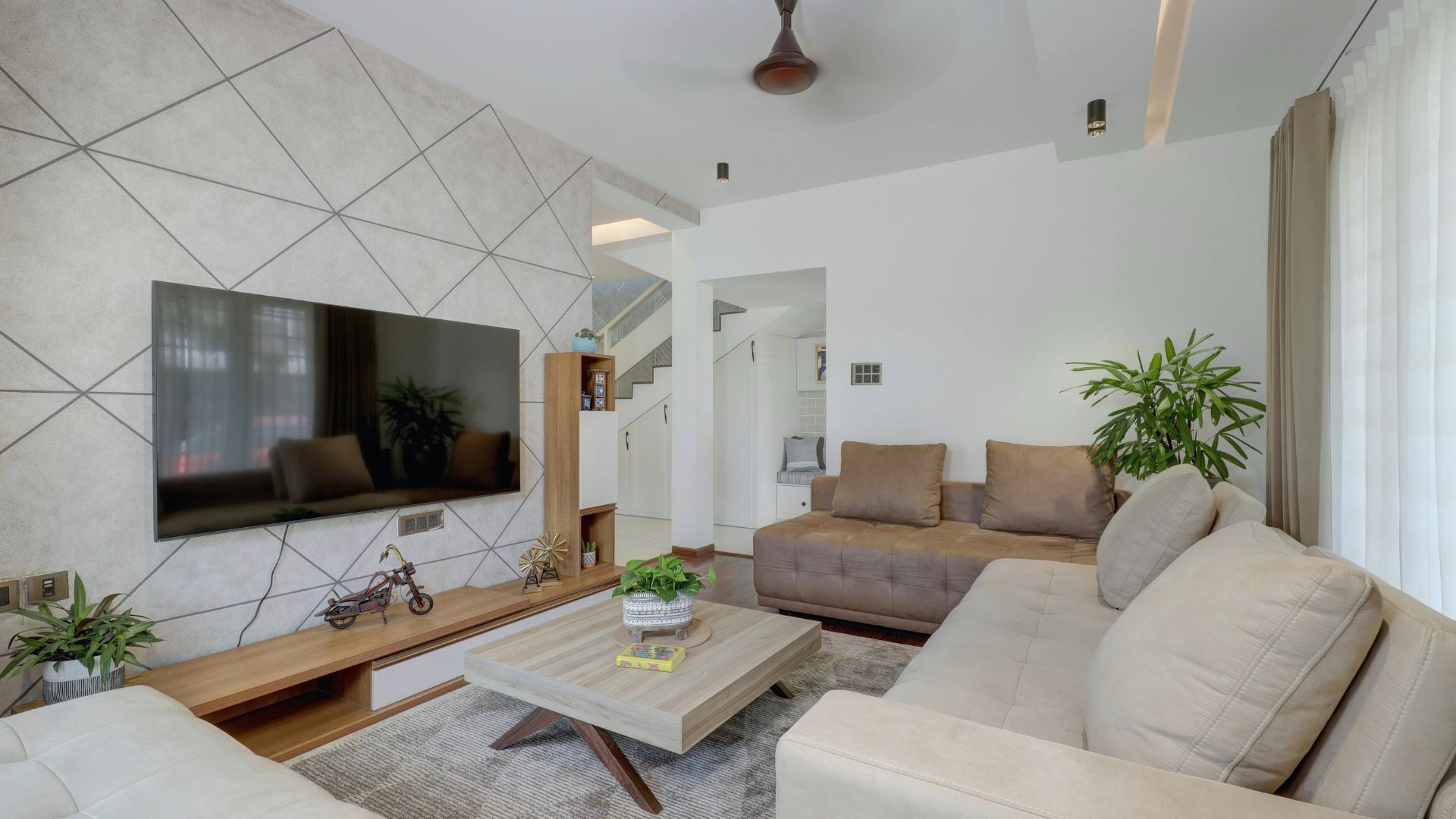
Layering various textures adds depth and interest to any room. Soft fabrics like velvet, cotton, and knit blends introduce warmth and tactile comfort. Using items such as throw pillows, rugs, and curtains made from these materials helps create a cozy environment.
Combining smooth surfaces like leather or silk with rougher textures such as jute or linen generates contrast without overwhelming the design. This variation allows for dynamic personal expression while ensuring the space feels inviting and lived-in.
Introduce Indoor Plants and Natural Elements
Indoor plants serve both aesthetic and health benefits by improving air quality and adding vibrant color. Incorporating natural elements like wood, stone, or woven baskets connects the interior with the outdoors, enhancing calmness and authenticity.
Choosing plants with different leaf shapes and sizes can provide textural variety, while natural planters or stands contribute to the overall design. These elements support a space that feels organic and personalized.
Select Statement Furniture and Cozy Seating
Statement furniture acts as a focal point and expresses individual taste in a room. Unique pieces like a bold armchair, sculptural coffee table, or colorful sideboard can define the character of a space.
Comfortable seating is equally important. Plush sofas, cushioned benches, or wide lounge chairs encourage relaxation. Combining style with comfort ensures that the furniture remains functional and welcoming for everyday use.
Choose Lighting Options for Ambiance
Lighting shapes mood and highlights design elements. A mix of floor lamps, string lights, and warm bulbs can create layered ambient lighting that adjusts to different activities and times of day.
Natural light should be maximized where possible to strengthen the connection with the outdoors. Choosing adjustable lighting options enhances flexibility, allowing the individual to set cozy or bright atmospheres according to preference and occasion.