Choosing statement art that defines a room involves selecting pieces that complement the space’s style, scale, and color palette. The key is to find artwork that captures attention without overwhelming the room, creating a focal point that reflects the room’s purpose and personality.
A well-chosen piece balances visual impact with harmony, considering the size of the artwork relative to the wall and furniture. It also should resonate with the mood of the room, whether that’s calm, energetic, or sophisticated.
Defining the Role of Statement Art in a Room
Statement art influences how a room is seen and felt. It changes the visual balance, sets an emotional tone, and expresses the personality behind the space.
The Impact of a Focal Point
A piece of statement art often acts as the focal point in a room. It draws attention immediately and organizes spatial flow.
Proper placement—usually above a sofa or fireplace—helps anchor furniture and creates a visual hierarchy.
Size matters: the art should be proportionate to the wall and surrounding elements to avoid overwhelming or underwhelming the space.
Choosing bold colors or striking shapes enhances focus, guiding the eye and defining the room’s character clearly.
Creating Mood and Atmosphere
Statement art influences the emotional environment. It can energize a space with vibrant hues or calm it with muted tones.
Texture, style, and subject matter all impact mood. For example, abstract art might invoke intrigue, while landscapes promote relaxation.
Lighting plays a role; proper illumination highlights key details, intensifying the art’s atmospheric effect.
Art that contrasts or complements room colors can reinforce the desired emotional response in interior design.
Reflecting Personal Style
Statement art expresses the occupant’s identity and taste directly. It personalizes décor, making a space unique.
Selecting art that resonates with personal interests or heritage strengthens emotional connection. This can include cultural motifs or favored artists.
The piece should align with the room’s overall style—modern, classic, eclectic—ensuring cohesion without sacrificing individual expression.
Incorporating distinctive art elevates the space beyond function, turning the room into a curated, reflective environment.
Key Elements to Consider When Choosing Statement Art
Choosing statement art involves decisions about size, style, and colors that impact the room’s balance and atmosphere. These factors ensure the piece complements the space without overwhelming or underwhelming it.
Scale and Proportion
Scale refers to the art’s size relative to the room and furniture. Oversized art, like a large abstract canvas or an oversized pop art piece, can create a focal point in a spacious living room. However, in smaller rooms, a diptych or triptych may balance scale better by dividing the visual weight.
Proportion involves the relationship between the art’s dimensions and the wall space. A painting that is too small on a large wall risks disappearing, while art too large can overpower the room. Ideally, statement art should cover about 60-75% of the free wall space above key furniture pieces, such as sofas or beds.
Style and Subject Matter
The artwork’s style should reflect the room’s design. A black-and-white photograph suits minimalist or modern interiors, while bold, colorful pop art fits eclectic or contemporary styles. Abstract canvases offer versatility but must align with other room features to avoid visual confusion.
Subject matter impacts mood and interpretation. Large landscapes or cityscapes can add a calming or energetic vibe depending on colors and composition. Figurative pieces might evoke emotion or storytelling. Consistency between the room’s purpose and the artwork’s theme strengthens its effect.
Color Palettes and Contrast
Color palettes in statement art should harmonize with the room’s existing colors. Using similar hues creates cohesion, while contrasting colors add visual interest and vibrancy. For example, a bright red pop art piece stands out in a neutral-colored space by creating strong contrast.
Contrast involves both color and light-dark values. High contrast, such as black-and-white photographs in bright rooms, enhances drama and focus. Lower contrast, with softer tones, contributes to a subtle, calming setting. Balancing color intensity prevents the art from clashing with furniture or décor.
Enhancing Room Design with Placement and Texture
Choosing the right spot and using varied textures can transform a statement artwork from simply decorative to defining. The balance of placement and texture adds depth and anchors the piece within the room’s overall design.
Strategic Placement for Maximum Impact
Placement is critical for making statement art the focal point. Positioning artwork at eye level, usually around 57-60 inches from the floor to the center of the piece, ensures it naturally draws attention. Above key furniture, like a sofa or console table, often works best.
Grouping works in a gallery wall can create dynamic visual interest, but it must be arranged with consistent spacing and alignment. In smaller rooms, a single large piece prevents overcrowding. For rooms with vintage posters or bold prints, spacing and lighting help avoid visual clutter and highlight each piece’s details.
Integrating Texture and Materials
Texture enhances tactile and visual appeal, creating layers that complement artwork. Pairing soft textures like textiles, fabric accent chairs, or plush rugs beneath or near art helps balance strong visual statements.
For example, a bold canvas can be softened by surrounding it with lightweight linens or velvet cushions. Rough finishes on frames or mixed media art bring contrast when combined with smooth walls or sleek furniture. The deliberate combination of textures deepens the room’s sensory experience.
Curating Supporting Décor
Supporting décor should echo elements of the artwork without overwhelming it. Accessories like sculptural vases or minimalistic lamps can subtly reflect colors or forms in the art.
When working with vintage posters, consider framing styles that enhance the retro feel without competing with the design. Additionally, avoid overcrowding walls; choosing a few key pieces of supporting décor maintains focus on the main artwork while adding cohesion to the overall aesthetic.
Types of Statement Art and Their Distinctive Effects
Statement art can vary in form and impact, shaping a room’s atmosphere and style. Some pieces create focal points through physical depth, while others use reflection and light. Mixing different types can heighten visual interest and balance space.
Sculpture and Dimensional Pieces
Sculpture introduces a tactile element that flat art cannot provide. These pieces add depth and can define walkways, corners, or entire seating areas. Materials range from metal and wood to glass and ceramics, each bringing a unique texture and finish.
Dimensional art draws the eye upward or outward, making rooms feel more structured or dynamic. It’s effective in minimalist spaces where the art becomes the main visual anchor. Size and placement are crucial: oversized sculptures work well in spacious areas, while smaller ones suit intimate settings.
Statement Mirrors and Reflective Art
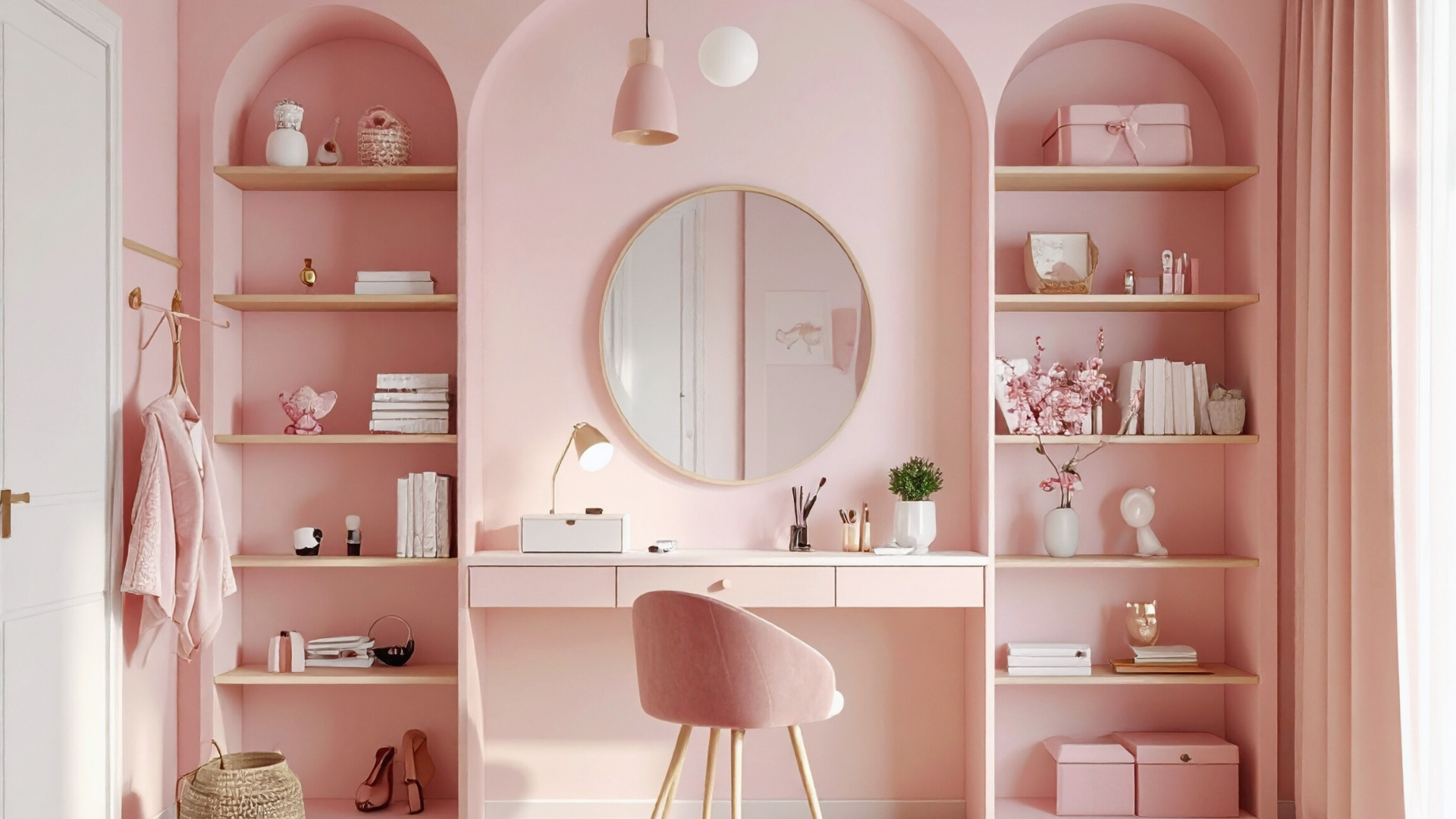
Statement mirrors serve dual purposes by reflecting light and creating the illusion of space. A gold-framed mirror can add warmth and elegance to a room, while oversized or uniquely shaped mirrors make bold visual statements.
Reflective art can brighten corners and expand narrow rooms. The frame’s design—whether sleek metal or ornate wood—sets the tone. Mirrors also complement other statement pieces by adding contrast without overwhelming the space.
Combining Multiple Statement Pieces
Using more than one statement element demands thoughtful balance. Pairing a large sculpture with statement wall art can create complementary focal points that draw the eye naturally between them.
Consider varying scale, texture, and color to avoid visual competition. For example, a textured sculpture works well with a smooth, vibrant painting. Proper spacing allows each piece to stand out while maintaining harmony within the room’s overall design.