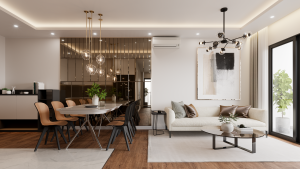
Energy-efficient upgrades offer practical ways to reduce utility bills while enhancing a home’s appearance. Upgrades like LED lighting, smart thermostats, and improved insulation save money by lowering energy consumption and give spaces a modern, clean look.
These improvements are accessible to most homeowners and often provide quick returns on investment. By choosing options that blend functionality with design, people can increase their property’s value without compromising style.
Understanding which upgrades deliver both savings and visual appeal helps prioritize projects that benefit homeowners long-term. This approach ensures energy efficiency becomes a seamless part of everyday living.
Foundations of Energy-Efficient Upgrades
Energy-efficient upgrades improve comfort, reduce energy loss, and lower utility bills with smart investments. Identifying where energy is wasted and choosing the most impactful changes can boost savings and enhance a home’s value.
Understanding Energy Efficiency and Savings
Energy efficiency means using less energy to perform the same tasks, which directly lowers energy bills. It reduces energy loss from heating, cooling, and electrical systems by improving insulation, sealing leaks, and using efficient appliances.
Reducing a home’s carbon footprint also accompanies decreased energy usage. Upgrades like LED lighting, ENERGY STAR-certified appliances, and programmable thermostats optimize energy consumption without sacrificing performance.
Consumers can expect gradual payback through energy savings, often within a few years after installation. Monitoring utility bills before and after upgrades helps quantify these savings clearly.
The Value of Home Energy Audits
A home energy audit examines where energy is wasted and identifies opportunities for improvement. Professionals use tools like blower doors and thermal cameras to detect leaks, insufficient insulation, and inefficient systems.
This detailed assessment establishes priorities tailored to the home’s unique energy profile. Audits reveal hidden problems, such as drafts around windows or outdated heating equipment, affecting both comfort and bills.
Many utility companies offer free or discounted audits, making it a cost-effective first step. The audit report guides homeowners in selecting energy-efficient home upgrades with the best financial and comfort returns.
Prioritizing Upgrades for Maximum Impact
Prioritization begins with addressing energy loss sources that cause the highest utility bills. Common high-impact actions include sealing air leaks, adding insulation, and upgrading heating and cooling systems.
Installing a programmable thermostat can reduce unnecessary heating and cooling costs. Energy-efficient windows and doors improve comfort but should follow insulation and sealing improvements to maximize benefit.
Large appliances and lighting changes contribute to long-term savings but may have longer payback periods. Homeowners should balance budget, urgency, and expected energy savings when planning upgrades.
| Priority Level | Upgrade Example | Impact on Bills | Ease of Installation |
| High | Air sealing and insulation | Significant | Moderate |
| Medium | Programmable thermostat | Moderate | Easy |
| Medium/Low | Energy-efficient windows/doors | Moderate | Complex |
| Low | Appliance upgrades | Variable | Varies |
Essential Home Upgrades That Save Money and Enhance Style
Smart renovations target both energy efficiency and visual appeal, improving comfort while reducing utility bills. Upgrading insulation, sealing leaks, and enhancing windows and doors are practical approaches that protect the building envelope and add value. Attention to details like U-factor ratings and storm windows contributes to long-term savings and a refined look.
Optimizing Insulation and Air Sealing
Proper insulation is vital for controlling heat flow and lowering energy costs. Upgrading attic insulation to a higher R-value reduces heat loss in winter and heat gain in summer. Materials like spray foam or blown cellulose often improve performance over older fiberglass batts.
Air sealing complements insulation by closing gaps around pipes, vents, and framing. Techniques include applying caulk or spray foam to cracks and adding door sweeps. Together, these measures minimize drafts and improve HVAC efficiency. Tightening the building envelope reduces moisture issues and increases indoor comfort without altering the home’s aesthetics.
Window and Door Improvements
Replacing old windows with units that have a low U-factor enhances thermal resistance and reduces heat transfer. Energy-efficient windows often feature double or triple glazing and inert gas fills. Storm windows provide a budget-friendly alternative, adding insulation and protecting original frames.
Weatherstripping doors seals gaps and prevents air infiltration. It can be done with foam tape, felt, or vinyl seals. Choosing modern door styles and frames made from insulated materials also improves appearance while reducing energy loss. These upgrades balance functional performance with curb appeal.
Advanced Weatherization Techniques
Advanced weatherization focuses on comprehensive sealing of the building envelope. This includes insulating exterior walls, sealing attic hatches, and enhancing ventilation controls. Using high-quality membranes and tapes prevents moisture infiltration and structural damage.
Infrared cameras can identify hidden leaks and weak points. After assessment, contractors apply weather barriers and sealants to vulnerable areas. This layer of protection extends the life of insulation and windows, maintaining consistent indoor temperatures and preventing costly repairs. These refinements integrate seamlessly with existing design elements.
High-Impact Appliances and Smart Solutions
Energy-efficient appliances and smart devices optimize home energy use and reduce costs. They offer practical upgrades with measurable savings and improve comfort through precise control and modern technology.
Heat Pumps and Efficient HVAC Systems
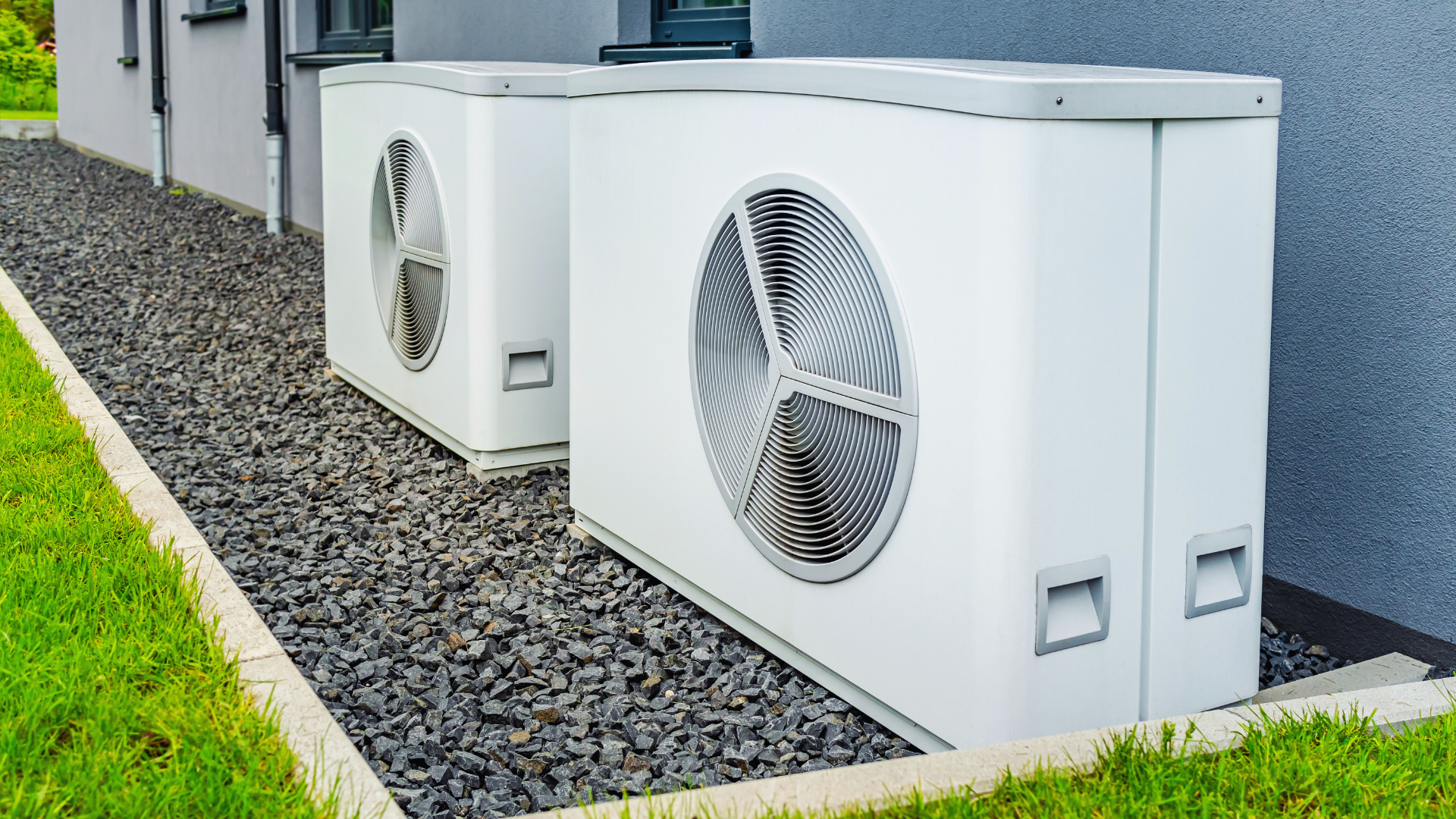
Heat pumps provide efficient heating and cooling by transferring heat rather than generating it. They consume less energy than traditional furnaces or air conditioners, often qualifying for Energy Star certification.
Modern HVAC systems incorporate variable-speed compressors and smart sensors, adjusting performance to demand and reducing waste. Heat pump water heaters also use less electricity by absorbing heat from the air, lowering monthly energy bills.
Regular maintenance and proper sizing are critical to ensure peak efficiency and longevity. Combining a heat pump system with ceiling fans helps distribute conditioned air evenly, further reducing energy use.
Energy-Efficient Water Heating Options
Heat pump water heaters are among the most energy-efficient choices, using ambient air to heat water with significantly lower electricity consumption compared to conventional electric heaters. They often save 50-60% on water heating costs.
Tankless and solar water heaters can also reduce energy consumption by heating water on demand or using renewable energy. Selecting Energy Star-rated models assures compliance with strict efficiency standards.
Placement is important—for example, heat pump water heaters perform best in warm, ventilated spaces. Users should consider household hot water needs and operating conditions when upgrading.
Smart Thermostats and Programmable Controls
Smart thermostats adjust heating and cooling based on occupancy, time of day, and weather trends, improving energy savings without sacrificing comfort. They can be controlled remotely via apps for real-time adjustments.
Programmable thermostats offer preset scheduling to reduce energy use during unoccupied periods, providing a low-cost alternative with less automation. Many smart thermostats integrate with voice assistants and home automation systems.
By optimizing HVAC run times, these devices can cut heating and cooling costs by up to 15%. They also track energy usage, helping users identify further savings opportunities.
Innovative Lighting and Power Management
LED bulbs provide the highest efficiency and last up to 25 times longer than incandescent bulbs. Replacing all household lighting with LEDs drastically reduces electricity consumption.
Smart power strips detect when devices are not in use and cut power, preventing phantom energy drain. Using these with energy-efficient appliances maximizes savings.
Advanced lighting controls include dimmers, motion sensors, and timers, which further reduce energy use. Integrating smart lighting with programmable systems allows tailored schedules and moods while maintaining efficiency.
Integrating Renewable Energy for Lasting Savings
Incorporating renewable energy systems can reduce utility costs and increase home value. Efficient installation and understanding technology benefits are essential for maximizing gains. Remodeling plans should account for system integration and compatibility with existing household features.
Solar Panel Installation and Upgrades
Solar panel installation begins with assessing roof orientation, shading, and structural integrity. Properly positioned panels capture maximum sunlight, improving energy output.
Upgrading to high-efficiency solar panels can increase electricity production by 15-20%. Modern panels also come with better warranties and durability.
The installation involves mounting hardware, inverters, and connections to the home’s electrical system. Professional installation ensures safety compliance and optimal performance.
Battery storage options provide energy backup, allowing homeowners to use stored power during peak hours or outages.
Benefits of Renewable Technologies
Renewables like solar panels reduce reliance on grid electricity, lowering monthly energy bills. Solar energy systems have low maintenance costs compared to traditional power sources.
Using renewables decreases a home’s carbon footprint, contributing to environmental sustainability. Solar installation often qualifies for tax incentives and rebates, improving the return on investment.
Integrating renewable technology increases property value, making homes more attractive to buyers. Over time, savings on electricity can offset initial system costs through consistent energy production.
Considerations for Home Remodeling
When remodeling, planning is critical to accommodate solar installation without structural conflicts. Roof design and material choice impact how easily solar panels can be added or upgraded.
Remodels also offer a chance to install energy-saving components like low-flow fixtures, which complement renewables by reducing overall consumption.
Electrical system upgrades may be necessary to handle renewable energy input and storage devices safely. Coordination between contractors and electricians ensures proper integration.
It’s important to evaluate how new layouts or additions will affect sunlight exposure and system efficiency before starting the remodel.