Choosing the right lighting for a home can transform its atmosphere, improve functionality, and highlight design elements effectively. Many struggle to find lighting that balances brightness, style, and energy efficiency. The key to successful lighting lies in understanding the purpose of each space and selecting fixtures that meet those needs while enhancing the room’s feel.
Lighting choices depend on factors such as room size, natural light availability, and the activities performed in each area. By focusing on these practical aspects, anyone can create a comfortable, adaptable living environment. This guide outlines six essential tips to help simplify the decision-making process and ensure the right lighting is chosen.
Understand the Different Types of Home Lighting
Lighting serves distinct roles in a home. Each type addresses specific needs, from general illumination to focused tasks to highlighting features. Knowing their purposes helps in selecting appropriate fixtures and placement.
Ambient Lighting Essentials
Ambient lighting provides overall illumination, creating a uniform light level across a room. It aims to ensure safe movement and comfortable visibility. Common sources include ceiling-mounted fixtures, chandeliers, and recessed lighting.
Choosing the right ambient light depends on room size and ceiling height. Soft white bulbs around 2700K to 3000K are typical for living areas, promoting a warm atmosphere. Dimmers offer flexible control, balancing brightness with mood.
Task Lighting for Functionality
Task lighting targets specific activities requiring focused light, like reading, cooking, or working. It reduces eye strain by increasing contrast on work surfaces. Desk lamps, under-cabinet lights, and pendant lights function well in this category.
Effective task lighting is adjustable and directed. For example, a swivel desk lamp or an adjustable kitchen spotlight provides precise illumination. Selecting bulbs with a higher color rendering index (CRI 80+) helps show colors accurately during tasks.
Accent Lighting for Visual Interest
Accent lighting highlights architectural details, artwork, or decorative objects to add depth and texture. It creates visual appeal and guides attention to key areas. Track lights, wall sconces, and directional spotlights are popular accent options.
Intensity is crucial: accent lighting should be about three times brighter than ambient light in the same space. Using LED fixtures with focused beams maintains energy efficiency while enhancing design elements.
Assess Lighting Fixtures and Room Design
Lighting choices must balance functionality and style to complement a room’s design. Fixtures should address the intended use of the space while fitting its architectural and decorative elements.
Selecting Appropriate Lighting Fixtures
He or she should match fixtures to the room’s primary purpose. For example, task lighting like desk lamps suits workspaces, while ambient lighting from ceiling lights or chandeliers serves living areas.
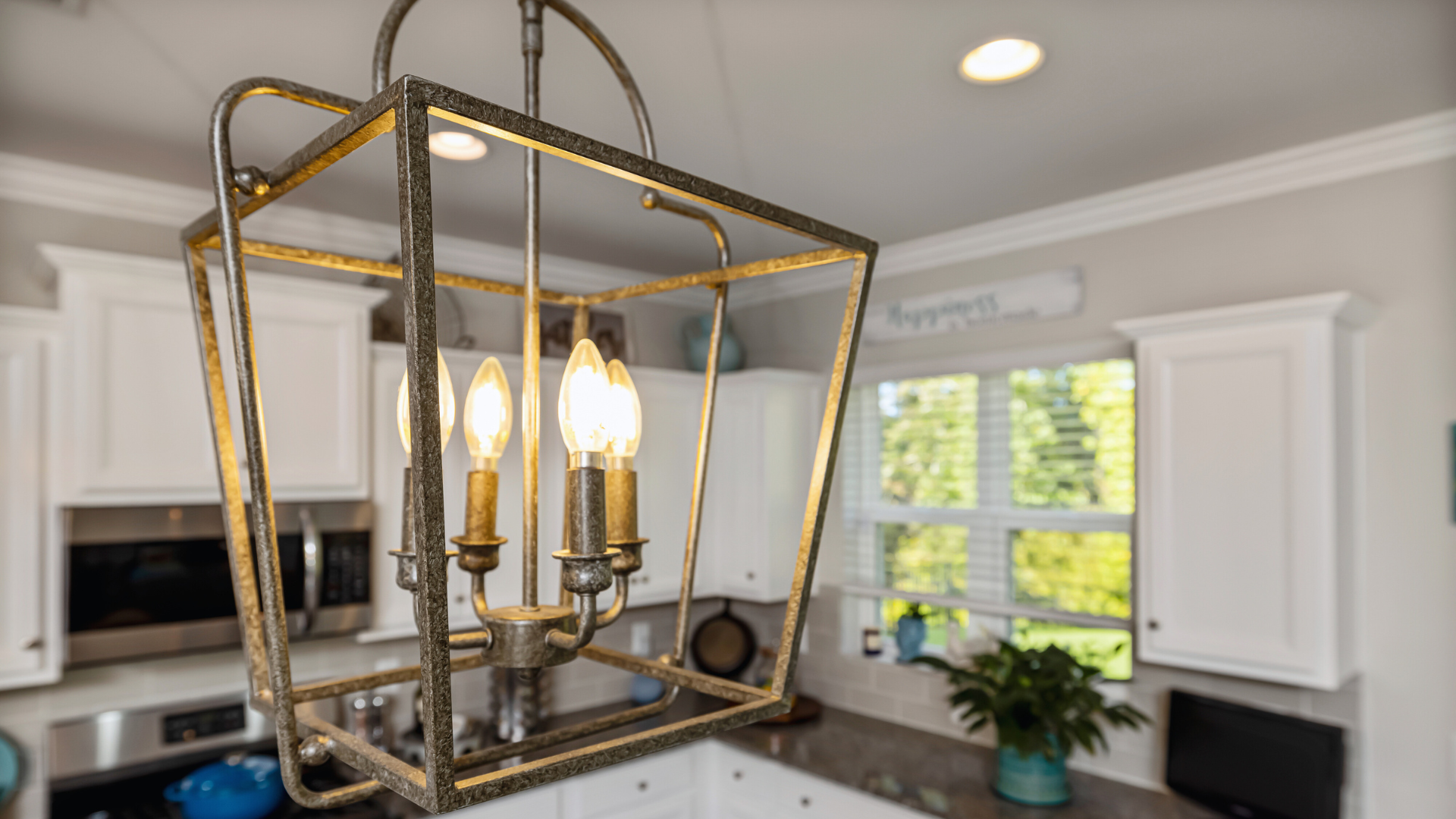
Consider fixture brightness and light distribution. Pendant lights often offer focused light, ideal above dining tables, while wall sconces provide softer, indirect lighting along hallways or bedrooms.
Energy efficiency and ease of maintenance are practical factors. LED fixtures reduce energy use, while lamps with easily replaceable bulbs simplify upkeep.
Choosing the Right Fixture Style
Fixture style must align with the room’s decor and the homeowner’s taste. A modern space benefits from sleek, minimalistic pendant lights or floor lamps. Traditional decor often pairs well with ornate chandeliers and classic wall sconces.
Materials and finishes matter: brushed metal and glass suit contemporary rooms, while wood or bronze fit rustic or vintage styles. The fixture’s visual weight should neither clash nor overpower furniture and color schemes.
He or she should keep consistency across fixtures to create a cohesive look, avoiding too many contrasting styles within one room.
Scaling Lights to Room Dimensions
Fixture size should correspond to room measurements. Large chandeliers work best in spacious areas with high ceilings, while smaller ceiling lights or table lamps fit compact rooms.
A simple formula for chandeliers or pendant lights is to add the room’s length and width in feet, then convert the sum to inches for fixture diameter. For example, a 12×14 room suggests a 26-inch diameter.
Height considerations prevent overwhelming the space or interfering with movement. Ceiling fixtures should hang at least 7 feet from the floor, and pendants above tables usually sit 30-36 inches over the surface.
Choose the Best Light Bulbs and Color Temperature
Selecting the right light bulbs and understanding color temperature are crucial for functional and aesthetic lighting. Different bulb types offer varying energy efficiency, heat output, and lifespan, while color temperature affects the room’s atmosphere and task suitability.
Comparing LED, Incandescent, and Halogen Bulbs
LED bulbs are the most energy-efficient and have the longest lifespan, often lasting over 15,000 hours. They emit less heat and come in a variety of brightness levels and colors, making them versatile for different rooms.
Incandescent bulbs are less efficient and have a shorter lifespan, usually around 1,000 hours. They produce warm light but generate more heat, which can increase energy costs.
Halogen bulbs offer a brighter, whiter light than incandescent bulbs but consume more energy than LEDs. They last longer than incandescent, typically 2,000 to 4,000 hours, but still lag behind LED bulbs in efficiency and durability.
The Role of Color Temperature in Mood and Ambience
Color temperature is measured in Kelvins (K) and ranges from warm (2700K) to cool (5000K and above). Warm light (2700K–3000K) creates a cozy, relaxing atmosphere, ideal for living rooms and bedrooms.
Neutral or daylight bulbs (3500K–4100K) provide a balance between warm and cool, suitable for kitchens and workspaces. Cool light (5000K+) is bright and energizing, often used in bathrooms and offices to improve focus.
Choosing the right color temperature depends on the intended use of the room and the preferred ambiance. Mixing different temperatures in layered lighting can also enhance the overall feel.
Enhance Energy Efficiency and Functionality
Maximizing energy savings and practical use of lighting is essential when selecting fixtures for a home. Effective choices combine technology and design to reduce electricity consumption while improving control and comfort.
Opting for Energy-Efficient Lighting
Energy-efficient lighting, such as LED lights, consumes significantly less power compared to traditional incandescent bulbs. LEDs use up to 80% less energy and have longer lifespans, reducing replacement frequency and maintenance costs.
Choosing the right color temperature is also important; warm whites create ambiance, while cooler whites enhance visibility. Energy Star-rated bulbs meet strict efficiency and performance criteria, ensuring reliable savings.
Utilizing Dimmers and Smart Lighting Solutions
Dimmers allow precise adjustment of light intensity, which lowers energy use and extends bulb life. They enable customized atmospheres without changing fixtures and reduce electricity consumption when full brightness is unnecessary.
Smart lighting systems offer control through apps or voice commands, enabling scheduling and remote operation. Features like motion sensors and adaptive lighting adjust brightness based on occupancy or time of day, enhancing both convenience and efficiency.
Maximizing Natural Light
Incorporating natural light reduces reliance on artificial lighting during daylight hours. Strategically placed windows, skylights, and reflective surfaces increase daylight penetration into rooms.
Sheer curtains or blinds help control glare without blocking light completely. Proper orientation and use of daylighting techniques can improve mood and reduce energy expenses by minimizing the need for electric lights.