Using recycled materials for garden projects offers an eco-friendly approach to enhancing outdoor spaces. By upcycling everyday items, individuals can create practical and aesthetic solutions that benefit both their gardens and the environment. This practice not only reduces waste but also inspires creativity, enabling gardeners to think outside the box.
Common materials like old pallets, tin cans, and glass bottles can be repurposed into plant holders, garden beds, or decorative elements. These innovative solutions contribute to a sustainable lifestyle while allowing gardeners to express their unique styles. The thrill of transforming discarded items into functional garden features can make any outdoor space truly special.
Engaging in such projects encourages mindfulness about consumption and resource management. By prioritizing recycled materials, people take steps toward a more sustainable future while enjoying the fruits of their labor in a vibrant, eco-conscious garden.
Choosing the Right Recycled Materials
Selecting appropriate recycled materials is crucial for successful garden projects. Quality, sustainability, and reliable sources contribute significantly to the effectiveness and longevity of these materials. Knowing how to assess and prepare these elements will enhance the gardening experience.
Assessing Quality and Sustainability
When evaluating recycled materials, one must consider both quality and sustainability. Look for materials made from durable substances, such as wood, metal, or sturdy plastics.
Assess for cleanliness; materials should be free from harmful chemicals or contaminants. For instance, reclaimed wood should be free of rot or pests.
Sustainability is also key. Opt for local sources to reduce the carbon footprint associated with transportation.
Utilize materials that can be upcycled creatively, ensuring they serve a purpose in your garden designs.
Finding Reliable Sources
Reliable sources for recycled materials include salvage yards, local recycling centers, and online marketplaces.
Salvage yards often offer a wide variety of items ranging from bricks to vintage garden tools. Many cities have recycling hubs where residents drop off unused materials.
Online platforms such as Freecycle and Craigslist can connect individuals looking to give away or sell leftover construction materials.
Networking with local community gardening groups can yield additional resources. They often share leads on where to find quality salvaged materials.
Preparing Materials for Use
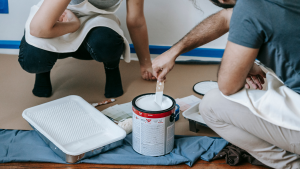
Preparation is essential for making recycled materials suitable for garden use. Start by thoroughly cleaning the materials to remove any dirt, grime, or chemical residues. For wooden pieces, sanding may be necessary to eliminate splinters.
If the materials are painted or treated, ensure the products are safe for gardening use. In some cases, a sealer might be necessary to protect against moisture.
For metals, check for rust and use appropriate treatments to prevent further corrosion. Preparing materials properly ensures that they will last while enhancing the aesthetics of garden projects.
While preparing materials is critical, maintaining a thriving garden also requires consistent and appropriate watering. Healthy plants form the foundation of any beautiful outdoor space, and their vitality depends directly on effective hydration.
Fortunately, modern irrigation systems support this by delivering precise water amounts while minimizing waste through efficient management. So, homeowners seeking to establish or maintain an attractive and sustainable landscape often benefit from partnering with experts from reputable companies, such as Sunrise Irrigation, who tend to provide customized irrigation solutions.
Creating Eco-Friendly Planters
Using recycled materials for planters is an innovative way to enhance garden aesthetics while promoting sustainability. Several common items can easily be transformed into functional and attractive planters.
Transforming Common Recyclables into Planters
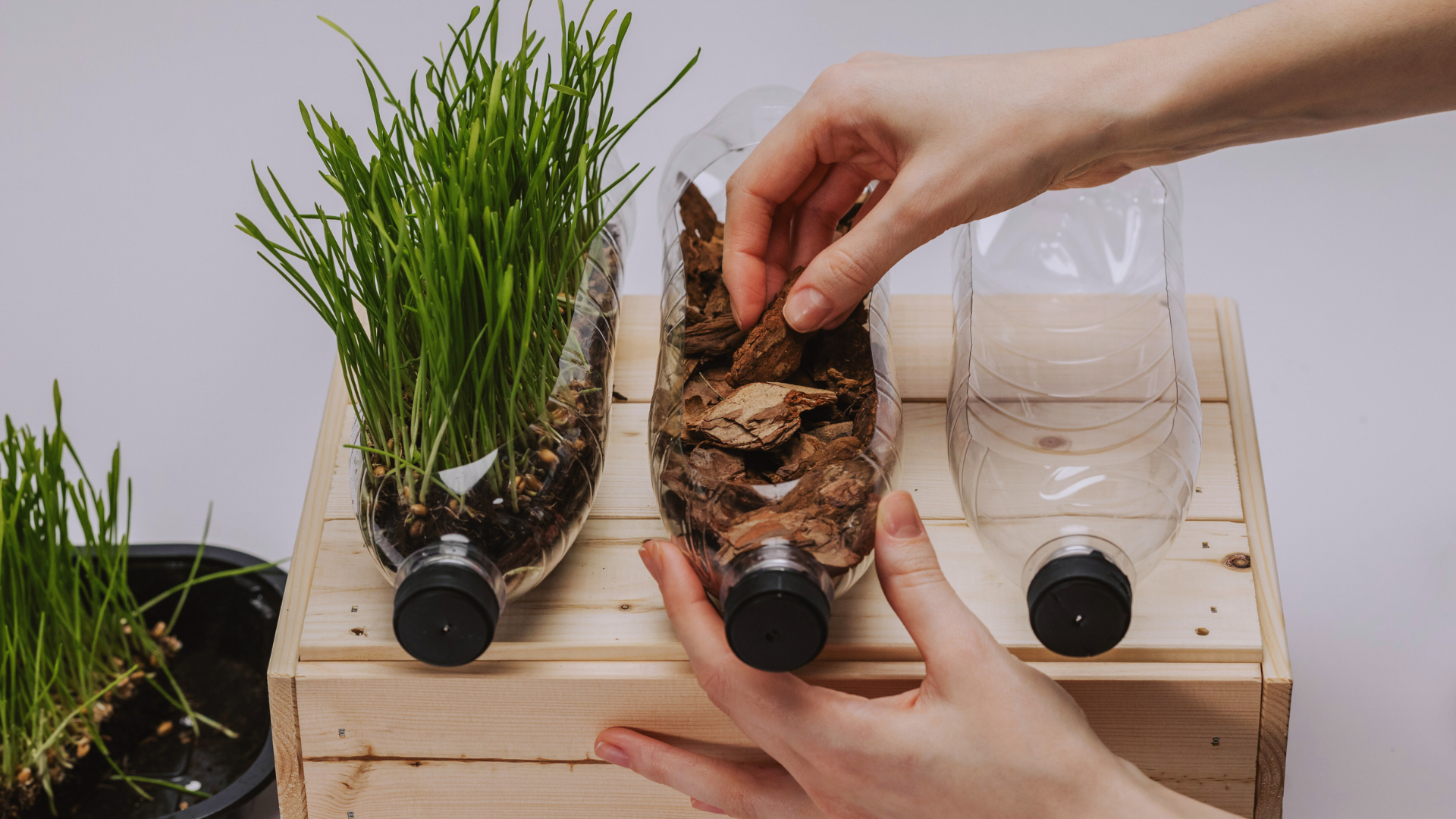
Various everyday recyclables can serve as excellent planters. For instance, plastic containers like yogurt cups or soda bottles can be repurposed with a few modifications.
- Drainage: Ensure proper drainage by poking holes in the bottom.
- Decoration: Use paint or decorative paper to enhance their appearance.
- Plant Selection: Choose small plants or herbs that thrive in compact spaces.
These containers are lightweight and can be easily arranged for visual appeal in any garden setting.
Designing Planters with Old Tires
Old tires can be creatively utilized as durable and unique planters. They provide a sturdy option for larger plants and can be arranged in various configurations.
- Preparation: Clean tires thoroughly and cut them if desired for shallow planters.
- Layering: Add soil and compost to enhance drainage and nutrients.
- Coloring: Tires can be painted, allowing them to blend or stand out in the garden.
With a bit of care, these planters can last many seasons, offering an eco-friendly planting solution.
Upcycling Pallets into Flower Pots
Wooden pallets are another effective resource for creating flower pots. They can be disassembled and repurposed into multiple planters, offering versatility in design.
- Cutting and Assembling: Cut pallets to create individual planter boxes or maintain their structure for a larger display.
- Lining: Use landscape fabric to line the bottom and prevent soil loss while allowing drainage.
- Arrangement: Stack or arrange pallet planters vertically for a space-saving solution.
This method not only recycles materials but also adds a rustic charm to any garden space.
Innovative DIY Garden Art
Transforming recycled materials into garden art can enhance the beauty of outdoor spaces. Creative projects not only bring a personal touch but also promote sustainability through upcycling. Here are two methods to implement innovative ideas in garden decoration.
Using Salvaged Items for Garden Decoration
Salvaged items can add unique character to any garden. Common materials include old tools, furniture, or even glass bottles.
- Garden Sculptures: Rusty tools, like shovels or rakes, can be turned into whimsical sculptures. Arranging them in playful poses creates an interesting focal point.
- Furniture Planters: Old chairs or dressers can transform into planters. Simply remove the seat or drawers, add a liner, and fill with soil and plants.
Incorporating these elements not only decorates the garden but also reduces waste by repurposing items that might otherwise be discarded.
Crafting Artistic Features from Recyclables
Recyclables offer endless possibilities for crafting artistic features. Many everyday items can be creatively transformed for garden use.
- Bottle Wind Chimes: Combine glass or plastic bottles to create colorful wind chimes. Hang them from twine or branches, allowing them to sway and catch the wind’s breeze.
- Tin Can Lanterns: Use empty cans to make lanterns. Punch holes in decorative patterns, paint them, and place candles inside for charming nighttime illumination.
These projects allow for personalization while using materials that are often readily available. Engaging in such DIY garden art fosters creativity and environmental awareness.
Maintaining a Safe Garden Workspace
While DIY garden projects are enjoyable, it is vital to maintain a safe work environment. Beyond using proper tools and handling materials carefully, homeowners should remain alert to potential pest hazards around planting areas.
For example, pests such as wasps can become aggressive if disturbed, especially when their nests are built near garden structures or workspaces. Therefore, if any nest is discovered, seeking professional wasp removal services promptly ensures the issue is handled safely and effectively, allowing gardeners to continue their projects without risk.
Bottom Line
Ultimately, recycled garden projects prove that sustainability and creativity can work hand in hand. With a little imagination and mindful preparation, everyday items can become meaningful additions to any outdoor space!